The Landscape
The Swedish west coast does not look like the rest of Sweden. There are no deep forests here, no dark lakes reflecting pine trees. Instead, the landscape has been scraped clean by ice and sea over millennia into something raw and elemental: smooth granite bedrock polished to grey and pink, islands rising from the sea in great rounded humps, fishing villages perched between rock and water in colours so vivid they seem painted. This is Bohuslän – and it is unlike anywhere else in the country.
It stretches from Gothenburg north to the Norwegian border, about 160 kilometres of coast so broken and complicated by islands, inlets and skerries that its actual shoreline measures thousands of kilometres. Most visitors – even Swedish ones – barely scratch the surface.
The Landscape: Granite and Sea
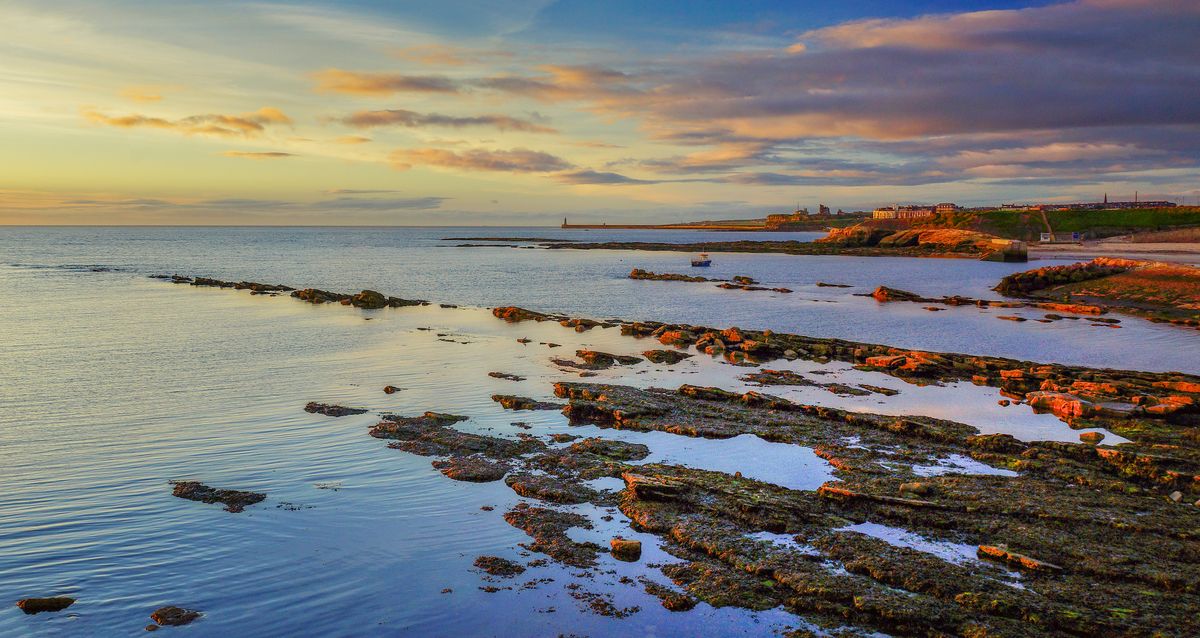
The defining character of Bohuslän is the rock. It is everywhere, in every scale: great whale-backed slabs warming in the summer sun, smaller outcrops wrapped in seaweed, polished shelves dropping straight into green water. Swimming here means walking across warm granite to the edge and dropping in. Sunbathing means lying on rock that has stored the day's heat and radiates it back at you like a natural sauna. The granite is ancient – among the oldest exposed rock in Europe – and it gives the landscape a primordial, timeless quality.
The sea itself behaves differently on this coast than on Sweden's Baltic side. It is the North Sea here, influenced by the Gulf Stream, and it carries salt, movement and a mild but definite energy. The water temperature in summer – typically 18–22°C at peak – is warm enough to swim in comfortably. The clarity, in the sheltered bays and inlets, is remarkable.
Smögen: The Most Famous Village
Smögen is probably the most recognisable image of the Bohuslän coast: a long wooden boardwalk – the Smögenbryggan – lined with fishermen's storage houses (sjöbodar) painted in reds, yellows and blues, standing directly over the water. In summer it is lively, busy and undeniably photogenic. The fish auction at the harbour is one of the last traditional fish auctions in Sweden and runs several mornings a week through the season.
The prawns from Smögen are among the best in the world. Large, sweet and sold straight from the boat, they are eaten on the quayside with bread and mayonnaise and cold beer. This is one of those eating experiences so simple and so specific to place that it is impossible to fully replicate elsewhere. If you are on the west coast of Sweden in summer, the Smögen prawn experience is non-negotiable.
🍤 West Coast Prawn Experience
Buy freshly boiled prawns (räkor) directly from the boat in Smögen, Lysekil or Grebbestad harbours – typically sold by the litre from boats that arrive in the morning. Eat them on the dock with white bread, butter and mayonnaise. A cold Swedish lager alongside. This is the definitive Bohuslän meal and costs almost nothing.
Marstrand: The Island Fortress
Marstrand is reached by a short ferry crossing from the mainland – cars are not permitted on the island – and the moment you step off the boat, the pace of life changes. The island is dominated by Carlsten Fortress, a 17th-century fortification that looms magnificently over the small town below. Guided tours of the fortress run through summer and include stories of its famous prisoner, the Swedish adventurer Lasse-Maja, who allegedly escaped from captivity multiple times.
Below the fortress, Marstrand is a prosperous and pretty sailing town with good restaurants, summer boutiques and a harbour full of beautiful wooden boats. It is the preferred summer retreat of the Swedish royal family's more sporty members and hosts major international sailing regattas. The atmosphere in July is one of relaxed, salty elegance.

Tanumshede: Bronze Age Rock Carvings
In the Tanum municipality, a short drive from the coast, lie some of the most extensive and remarkable Bronze Age rock carvings in the world. The Tanum rock carvings are a UNESCO World Heritage Site and cover an area of some 45 square kilometres with panels depicting humans, boats, animals, ploughs and abstract symbols carved into the rock between 1700 and 500 BC.
The most famous site is at Vitlycke, where a large panel shows a scene of astonishing vitality – figures hunting, farming, fighting, dancing, making love – as vivid and communicative across 3,500 years as anything. A good museum at Vitlycke explains the context and helps you understand what you're seeing. Arriving early in the morning, when the low light rakes across the rock surface and makes the carvings stand out in sharp relief, is by far the best time to visit.
🗿 Visiting the Rock Carvings at Tanum
The main site at Vitlycke has a museum, parking and clear paths to the panels. Arrive before 10am for the best light and fewest visitors. The carvings are painted red to improve visibility (they were originally painted). Allow at least two hours for Vitlycke alone – the UNESCO site covers multiple locations across the area, each with its own character.
Grebbestad and Fjällbacka
Grebbestad is the oyster capital of Sweden. The cold, clean waters of the Kosterfjord produce oysters of exceptional quality – plump, briny and complex – and the village has built a small but serious food culture around them. An oyster safari, where you kayak out to the oyster beds and eat them straight from the water, is one of the more memorable food experiences in Scandinavia.
Fjällbacka is a village so perfectly proportioned and beautifully situated that it almost seems too good to be real. Squeezed between the sea and a dramatic cliff face, its wooden houses cluster around a small square and harbour. The crime writer Camilla Läckberg set her hugely popular mystery novels here, and the village has embraced the association while remaining genuinely itself rather than merely touristy.
The Koster Islands
Sweden's westernmost inhabited islands, the Koster islands, sit in the Kosterfjord – the deepest fjord in Sweden – and are surrounded by Sweden's first marine national park. The car-free islands are reached by ferry from Strömstad in the north and offer extraordinary diving and snorkelling in some of the richest cold-water marine environments in the country. On land, the islands are gentle, green and beautiful in a way that feels genuinely apart from the mainland world.
Getting There and Around
Gothenburg is the natural base and gateway to the Bohuslän coast. The E6 motorway runs the length of the coast northward and is the main access route. By train, the Bohusbanan line connects Gothenburg to Strömstad with stops at several coastal towns.
Exploring properly requires a car – or a kayak. The coast is so fragmented that distances between interesting places are short but the roads are winding. A car with a good map and no fixed schedule is the ideal way to travel. One week is enough for a good overview. Two weeks is not too much for those who want to get into the rhythm of the coast.
Seafood: The Point of the Whole Trip
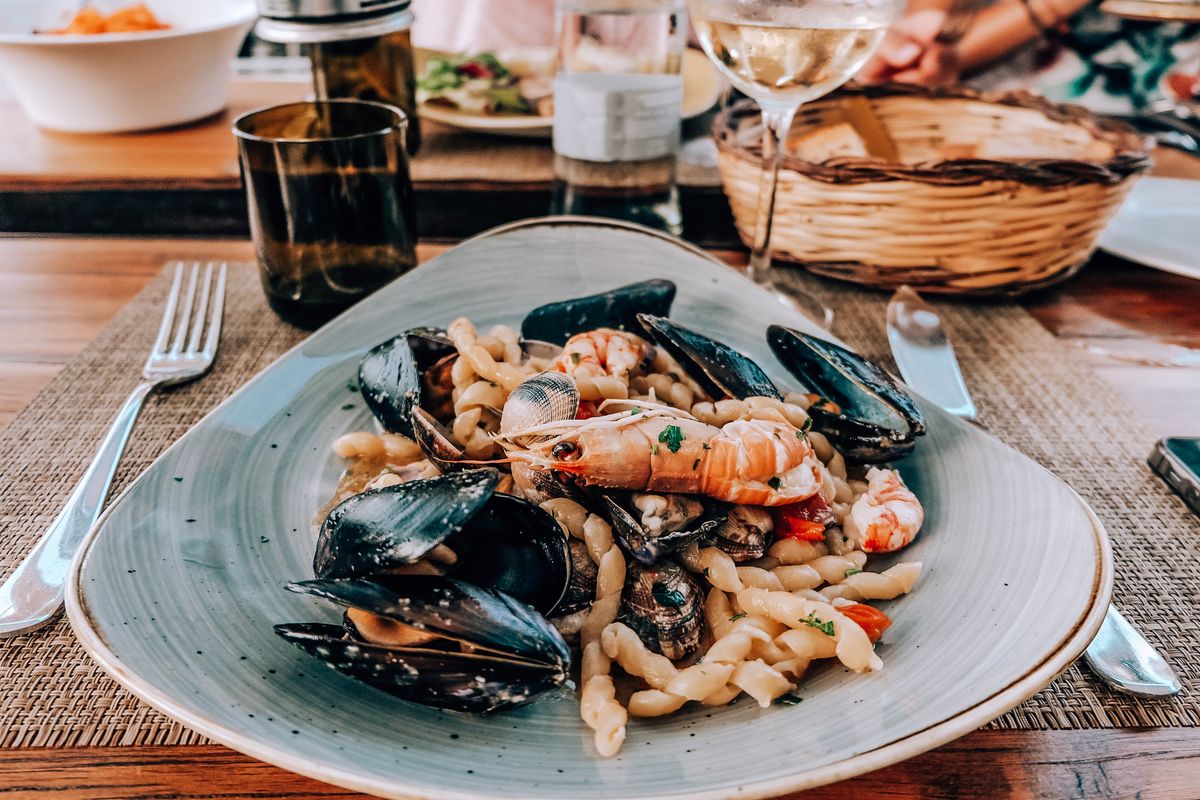
The Bohuslän coast is Sweden's seafood coast, and taking it seriously means understanding where the food actually comes from. The prawn boats that work out of Smögen and Grebbestad return to the dock in the early morning; the prawns are boiled on board in seawater during the return journey and are ready to eat within hours of being caught. A bag of these, eaten on a dock in the evening sun with bread and mayonnaise and a cold beer, is one of the finest meals available in Sweden at any price.
Oysters grow wild on the rocky beds around Grebbestad and the nearby inlets — this is the northern limit of natural European oyster habitat and the cold, clean water produces exceptionally flavoured shellfish. Several producers run open-boat oyster tours in which you go out to the beds, pull the oysters yourself and eat them on the water with a glass of something cold. Book in advance in July and August.
Lobster season runs from September through October and the west coast lobster (Homarus gammarus) caught here is prized by Swedish chefs. Several harbourside restaurants in Fjällbacka and Lysekil run specific lobster menus in autumn.
The Bohuslän Archipelago by Kayak
The outer skerries of the Bohuslän archipelago are accessible by kayak from several points along the coast. Unlike the Stockholm Archipelago, the Bohuslän coast faces the open North Sea — there is a rawness to the outer islands, a sense of exposure, that is different from the sheltered inland-sea quality of the east. The rocks are rounded granite, smoothed pink and grey, dropping straight into deep cold water.
Sea kayak hire is available at Hamburgsund, Fjällbacka and Smögen. Multi-day routes using Allemansrätten camping on the outer islands are possible throughout the summer, with water refill points at most inhabited islands. The standard of sea kayaking skills required increases significantly as you move to the outer skerries — tidal patterns and open-water conditions demand more experience than the calmer archipelago paddling further north.
Bohuslän at a Glance: Towns by Purpose
| Town | Character | Best For | Don't Miss |
|---|---|---|---|
| Smögen | Most iconic, busiest | Boardwalk, prawns, fish auction | Morning fish auction (in season) |
| Fjällbacka | Dramatic setting, upmarket | Scenery, Ingrid Bergman square | Boat tour to Kosterhavet |
| Grebbestad | Oyster capital, quieter | Oyster tours, local feel | Oyster boat tour (Sept–April) |
| Marstrand | Car-free island, fortress | Carlsten fortress, sailing, swimming | Carlsten fortress tour |
| Koster Islands | Sweden's westernmost, wild | National park, diving, isolation | Kosterhavet National Park |
| Tanumshede | Inland UNESCO site | Bronze Age rock carvings | Vitlycke museum + carvings |
The Swedish West Coast: Raw Prawns and Crayfish Crowns
The west coast of Sweden exists for one reason: seafood. Specifically, it exists for the moment when you're sitting on a wooden deck above the water, wearing a plastic bib that somehow manages to be both undignified and essential, cracking open a crayfish the size of your fist, and realizing that everything you've read about Swedish food being "meatballs and brown sauce" was written by someone who never made it west of Stockholm.
Bohuslän is the western coastal region, and it's where the ocean culture of Sweden lives. It's smaller than the south, less dramatic than Lapland, and infinitely more obsessed with what's in the water. The region stretches from Gothenburg north to the Norwegian border, and every town has a relationship with seafood that reads as personal.
The crayfish season (August to September) is a cultural event. For one month, the entire coast closes down for kräftskiva — crayfish feasts where you eat crayfish by the dozen, wear paper crowns, sing traditional songs, and pretend this is a normal way to spend an evening. It's chaotic, it's Swedish, and it's completely worth timing your visit for.
Gothenburg: The City That Works
Gothenburg is Sweden's second city, and it's nothing like Stockholm. Where Stockholm is architectural and designed, Gothenburg is working. It's a port city that didn't get completely gentrified. There's still actual industry, real neighborhoods where people live, and restaurants that exist because the chefs live there, not because property investors want to monetize a location.
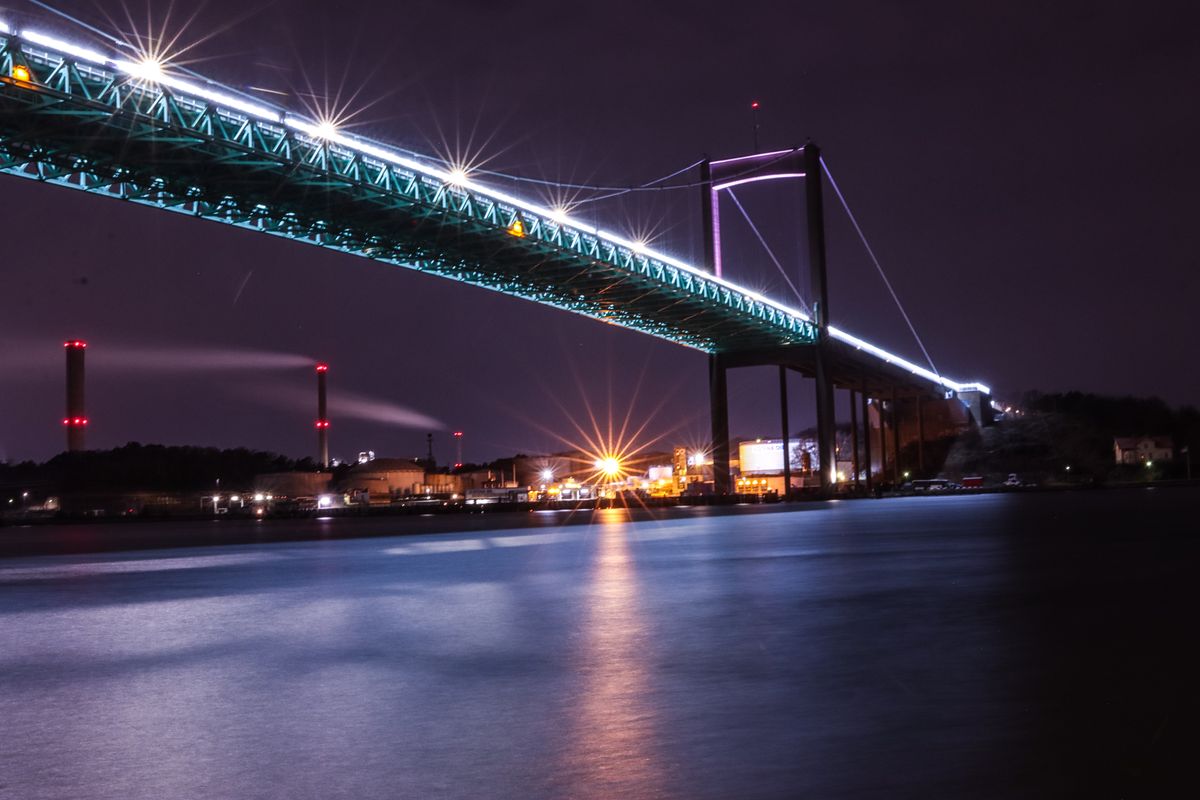
For a visitor, this means Gothenburg is unpretentious and genuinely good. The food scene is excellent without being precious. The neighborhoods feel real. The harbor has restaurants because it's a working harbor, not because it's been themed for tourists.
Where to Stay
Haga and Linnéstaden are the real neighborhoods. Haga is older (late 1800s), tightly built, with cobblestones and independent shops. Linnéstaden is slightly younger, a bit more polished, with good restaurants and genuine café culture. Both are walkable, both are where locals actually live. Hotels: Clarion Collection in Haga (good location, good price); Pustervik if you want harbor views; City Hotel if you want budget and location.
What to Eat
Gothenburg is famous for its seafood, specifically räkor (shrimp sandwiches). These are ridiculously simple — bread, butter, shrimp, mayo, lemon. The quality is entirely in the shrimp. The famous place is Fiskekompaniet in the harbor, but honestly, any restaurant on the harbor does them well because they're competing directly against the fishing boats. Expect 120-180 kr for a good one.
Beyond shrimp sandwiches: Göta Älvbord is the restaurant most locals recommend (seasonal Swedish food, 300-400 kr main courses). Matbaren is casual Nordic (200-300 kr). Haga Hall is a food market with permanent restaurants and stalls — go for lunch, try multiple things, budget 200-250 kr per person.
Beyond Food
The Fish Market (Fiskehallen). If you're self-catering or just curious, the fish market is working and real. You'll see what the boats brought in that morning. This is where chefs buy for their restaurants.
Gothenburg Museum of Art. Free (donations accepted). Good collection, interesting building. It's like Malmö's model — the city takes culture seriously without gatekeeping it.
Walk the harbor and islands. Gothenburg's geography is islands and water. There's a public ferry that connects the islands for 25 kr. The walks between them are genuinely beautiful.
Bohuslän: The Fishing Villages and Archipelago
North of Gothenburg, the coast gets more interesting. Bohuslän is dozens of small villages, most built around fishing. The landscape changes — it becomes rockier, more exposed, more dramatically Swedish. The villages are real working harbors, not reconstructed theme parks.
Smögen: The Iconic Fishing Village
Smögen is the most famous Bohuslän village, and it's famous for good reason — it's genuinely photogenic. A long wooden boardwalk runs between water on both sides, with fishing huts painted in bright colors and restaurants with views. It's popular (sometimes crowded on summer weekends), but it doesn't feel touristy because it's a working harbor with working fishing boats. The fishing happens while tourists take photos, which is exactly the right dynamic.
What to do in Smögen: Eat seafood overlooking the water. Walk the boardwalk at dusk. Buy fresh fish from the harbor stalls. Stay overnight if you can — it's much better when the day tourists leave. Hotels: Smögens Hafvsbad (right on the water, low-key but basic); Thalassa (newer, more comfort).
Kungshamn: Less Famous, More Real
Kungshamn is 20 minutes north and dramatically less famous than Smögen. It's almost as good, dramatically less crowded, and cheaper. It has the same harbor culture, the same restaurants, the same quality of seafood. If Smögen is booked, Kungshamn is the answer.
Lysekil and Undergrunn
Lysekil is further north, slightly bigger, with more infrastructure. Undergrunn is the artist community inside an old sandstone mine on the edge of town — galleries, studios, cafes, completely unexpected. It's worth a stop.
Crayfish Season: August to September
If you can time it, visit during crayfish season. Kräftskiva (crayfish feast) is a Swedish tradition that reaches peak intensity on the west coast. Here's what happens: you go to a restaurant or book a private feast. You sit down. Dozens of whole boiled crayfish arrive on your plate. You put on a paper crown and a plastic bib. You crack open each crayfish — back meat, tail meat, head meat (yes, really). You eat them with bread, cheese, and aquavit. You wear a napkin around your neck. Everyone does this at the same time. It's loud. It's messy. It's completely Swedish.
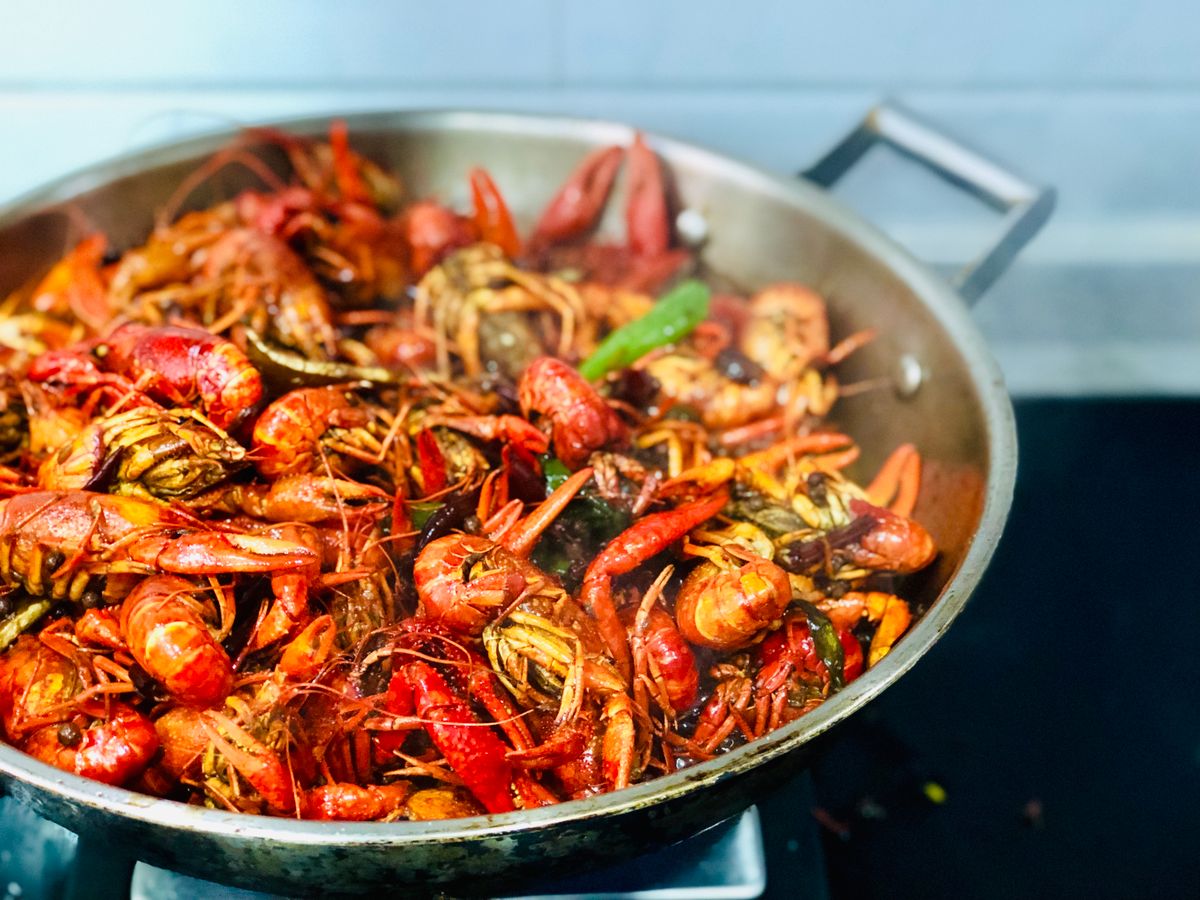
The crayfish themselves are sweet, slightly salty, and nothing like frozen seafood from elsewhere. They cost 400-600 kr per person at restaurants (you typically eat 10-15 of them). If you're renting a cottage, you can buy live crayfish from the harbor and do it yourself.
The season is late August through September, but peaks in mid-August and early September. Book ahead — restaurants fill completely during peak weekends.
🦐 Crayfish Etiquette
It's not actually complicated. Twist off the tail, pull out the meat. Crack the claws. Suck the head (yes, this is real and yes, everyone does it). Dip in mayo or cocktail sauce. Eat with bread and cheese. Repeat 12-15 times. Wear your bib with dignity.
The Archipelago: Islands and Quiet
The Bohuslän archipelago is 8,000 islands and skerries. Most are uninhabited. Some have tiny villages and fishing communities. Some have restaurants with views of nothing but water and rocks. You can visit by ferry (public ferries connect the inhabited islands) or by boat (rent a cabin on an island).
The island experience is simple: you arrive, you eat, you watch the light, you leave. There's not much infrastructure. That's the point. Orust, Tjörn, and Donso are the largest inhabited islands, all with villages, restaurants, and accommodation.
When to Visit Bohuslän
Summer (June-August)
Everything is open. Warmest weather (15-18°C). Longest days. Boats are running. This is tourist season, which means it's busier but also entirely functional. Late July and early August before crayfish season starts are probably the sweetest spot.
Crayfish Season (Late August-September)
The region's cultural peak. The food is at its best (literally more crayfish in the water right now). The weather is still good (15-17°C). The light is golden. This is when you come if you're serious about food experiences. Book restaurants and accommodation well in advance.
Autumn (September-October)
Crayfish season wind-down. Weather gets colder and wetter. Fewer tourists. The restaurants are less crowded. The light is dramatic. Budget for cooler weather.
Winter (November-February)
Quiet. Cold but not extreme (rarely below zero). Many restaurants and accommodations close or reduce hours. The coast is moody. This is for people who want to experience the real region, not the summer version.
Getting Around and Budgeting
Transportation
Gothenburg is the hub (3 hours from Stockholm by train). From Gothenburg, rent a car to explore Bohuslän properly. Public transit exists but is less frequent north of Gothenburg. Ferries connect the islands (about 25-50 kr per journey). Boats can be rented through various companies for island exploration.
Costs
Similar to Malmö, slightly cheaper. Budget travelers: 700-900 SEK/day. Mid-range: 1200-1500 SEK/day. Comfortable: 1800-2200 SEK/day. Crayfish feast is a separate line item: 400-600 kr per person for a restaurant feast, 150-250 kr per kg if buying live from the harbor.
Mistakes Tourists Make in Bohuslän
❌ Visiting only Smögen
Smögen is the photograph of Bohuslän — the boardwalk, the coloured boathouses — and it's worth seeing. But it's also the most crowded spot on the coast in July and it's a 400-metre stretch of plank. The coast runs 160 kilometres north to the Norwegian border. Fjällbacka is more dramatically beautiful. Grebbestad has better seafood. Koster is what the outer coast actually looks like when humans haven't commercialised it. Smögen first, then drive north.
❌ Missing the morning fish auction
The fish auction at Smögen runs several mornings a week during the summer season, typically starting around 7–8am. This is one of the last traditional public fish auctions in Sweden and it's extraordinary to watch — practical, fast, entirely focused on fish. Most visitors sleep through it. Worth setting an alarm for once.
❌ Skipping the Bronze Age carvings at Tanum
The Vitlycke rock carvings are a UNESCO World Heritage Site and among the most significant archaeological sites in Europe — 3,000-year-old petroglyphs carved into the exposed granite bedrock of the Bohuslän interior. Most people driving the E6 motorway pass within 5 kilometres and don't stop. The Vitlycke museum is excellent and the site is genuinely moving. Allow a half-day; combine with Smögen on the same trip.
Frequently Asked Questions: Bohuslän
What is the best base for visiting Bohuslän?
Gothenburg is the practical gateway — well-connected by train from Stockholm (3 hours) and with a good airport. For staying on the coast itself, Lysekil is well-placed for the central section, Fjällbacka for the north, and Smögen for the most iconic village experience. A car is strongly recommended: the coast is too fragmented and too long to see properly by public transport.
What are the best prawns in Bohuslän?
The Smögen and Grebbestad prawns are the most famous — boiled on board in seawater during the return journey and available fresh from the dock in the morning. The Smögen fish auction runs several mornings a week in summer. Buy a bag of prawns, sit on the dock with bread and mayonnaise, and eat them within hours of being caught. This is the definitive Bohuslän food experience and costs around 150–200 kr per person.
What are the Bronze Age rock carvings at Tanumshede?
The Tanum rock carvings are a UNESCO World Heritage Site — a concentration of Bronze Age petroglyphs (3,000–4,000 years old) depicting ships, animals, humans and ceremonies carved into the granite bedrock. The Vitlycke museum explains the context excellently. The carvings at Vitlycke, Fossum and Litsleby are the most accessible and the most impressive. Allow a half-day and bring a sun angle in mind: the carvings are most visible in low, raking light.
Can I kayak in the Bohuslän archipelago?
Yes, and it's one of the best sea kayaking destinations in Europe. The outer skerries face the open North Sea — more exposed and more dramatic than the Stockholm Archipelago. Hire is available at Hamburgsund, Fjällbacka and Smögen. Multi-day routes camping on the outer islands under Allemansrätten are possible throughout summer. First-time sea kayakers should stick to the sheltered inner waters; the outer islands require experience and respect for weather.
When is the best time to visit Bohuslän?
June and July are peak season — warm water (18–22°C), all businesses open, long evenings. July is busiest; the roads between Gothenburg and Strömstad can be very congested on weekends. Late June and early August offer the same conditions with fewer cars. The crayfish season starts in August and the harbours take on a festive atmosphere. Avoid midsummer weekend if you dislike crowds.