The Journey Out
Leave Stockholm's Strömkajen ferry terminal on a Tuesday morning in July and by noon you're in a different world. The boat threads east through islands that begin close-packed and urban – Djurgården, Lidingö, Nacka – and gradually thin out into something wilder. By the time you reach Sandhamn, three hours out, the water is open Baltic, the islands are bare granite, and Stockholm feels like a memory from a different season.
The Stockholm archipelago contains approximately 27,000 islands, islets and rocks. The number is precise in the way that large estimates of natural things are precise: it depends entirely on what you're willing to call an island. Some of these are substantial – Värmdö, Ljusterö, Ornö – with permanent populations, car ferries, supermarkets and summer houses that have been in the same families for four generations. Others are barely large enough to land a kayak on. All of them are theoretically yours, under Allemansrätten, for a night or two.
Kayaking is not the only way to experience the archipelago, but it is the best one. It puts you at water level, which is where the archipelago lives. You slip between islands through channels that motor boats can't navigate. You hear the wind and the water and nothing else. You stop when you want, sleep where you like, and move at a pace that lets the landscape actually reach you.
Reaching the Islands
Waxholmsbolaget operates the archipelago ferry network from central Stockholm, and it's excellent – cheap, frequent, and covering about forty destinations. For kayakers, the most popular strategy is to take the ferry out to a hub island and hire kayaks locally, rather than lugging your own through the city. Sandhamn, Möja, Utö and Finnhamn all have rental operations that cater to this.
Sandhamn is the outer archipelago's social centre – a small sailing village with a proper harbour, a handful of restaurants and a distinctive clubhouse culture built around the Royal Swedish Yacht Club, which has been here since 1897. In July it's lively without being overrun. The main village is car-free (there are no roads for cars), and the sailing boats moored three-deep along the jetties create a visual spectacle that feels genuinely earned, this far out to sea.
Möja is quieter and more agricultural – there are actual farms here, producing eggs and vegetables sold through a small cooperative shop that operates on the honour system when no one's minding it. The island has a modest café and a church with a view across the water that's been the subject of Swedish landscape paintings for a century and a half.
🚤 Ferry vs. Kayak: The Honest Comparison
The Waxholmsbolaget ferry is the easy option and genuinely enjoyable. Kayaking gives you access to perhaps half the islands that the ferries skip entirely – the small, uninhabited ones where the best wild camping spots are. If time is limited, take the ferry out to Sandhamn and hire a kayak for day explorations. If you have four days or more, paddle the whole way.
Wild Camping Under Allemansrätten
This is the part that people from outside Sweden find genuinely difficult to believe. You can camp on any island in the archipelago – any of the 27,000 – for one or two nights, without asking anyone's permission, without paying anything, without even necessarily knowing whose land it technically is. Allemansrätten, the right to roam, is written into the Swedish constitution. The only rules are: don't disturb the landowner's use of the land, don't camp within sight of a dwelling, leave no trace, and don't outstay two nights in one spot.
In practice, on the outer archipelago's uninhabited islands, this means you have a private island for the night. You paddle in, pull the kayak up onto the granite, put your tent on a flat section of rock or moss, build a small fire if conditions allow (there are rules about this during dry periods), eat your dinner watching the sun not quite set at ten in the evening, and wake up to the sound of eider ducks on the water.
It is the single best free experience available to a traveller in Europe. I've done it four times and it still feels unreal each time – the ownership, the quiet, the quality of light at northern latitudes in July, the way the granite holds the warmth of the sun long after the air begins to cool.

What the Kayaking Is Actually Like
The inner and middle archipelago are sheltered and calm. Beginners can manage them entirely comfortably. The outer archipelago, beyond Sandhamn and towards the open Baltic, requires more care – swells and wind can develop quickly, and the distances between islands grow larger. Rental companies will assess conditions and advise honestly; take their advice seriously.
A reasonable day of paddling covers twenty to thirty kilometres without excessive effort. The water in July reaches seventeen to twenty degrees Celsius in sheltered bays – genuinely swimmable, not just technically swimmable. You will swim. Everyone does. There's a particular pleasure in pulling up on a warm granite ledge, jumping into clear Baltic water, and then lying in the sun to dry while eating a piece of bread with the slightly salty butter that Swedish shops sell in blocks.
Kayak hire typically costs around 400–600 SEK per day for a single, 600–900 SEK for a double. Most rental places will also rent waterproof bags for your camping kit, which is non-negotiable if you're sleeping out. Get the dry bags. A wet sleeping bag at 9pm on an uninhabited island is not a romantic problem.
🦟 The Mosquito Question
Mosquitoes are real in the archipelago, particularly on the larger wooded islands and in sheltered inlets in June and early July. DEET-based repellent works. The outer, more exposed granite islands have far fewer – the wind keeps them down. By August, the problem largely resolves itself. It is not a reason to stay home. It is a reason to pack repellent.
The Archipelago Season, Month by Month
The Outer Archipelago: Where to Go Beyond the Day-Tripper Islands
Most visitors to the Stockholm Archipelago stop at Vaxholm, Grinda or Sandhamn — all beautiful, all reachable on a day trip, and all quite busy in July. The outer archipelago — the islands beyond the main ferry routes, where the forest thins and the rock becomes bare and windswept — is a different proposition entirely.
Islands like Gålö, Utö and Landsort sit at the outer edge of the archipelago where the Baltic begins in earnest. The rocks here are smoothed by millennia of ice and water, the vegetation is sparse, and on a clear day you can see further than seems reasonable. Swimming off these outer rocks — into deep, cold, transparent water — is a different experience from the sheltered bays of the inner islands.
Utö deserves particular attention: a former iron-mining island with a well-preserved nineteenth-century mining landscape, excellent cycling, a windmill that serves as a local landmark, and some of the archipelago's better restaurant options. It is reachable by ferry from Årsta Havsbad in roughly two hours.
Practical: Renting a Boat
Kayaking is one way to experience the archipelago. Renting a small motorboat — a stuga with båt (cottage with boat) package — is another, and in many ways more flexible. Numerous cottage rental agencies offer packages combining island accommodation with a small fibreglass boat, typically 4–6 horsepower, sufficient to move between nearby islands and explore coastline.
No licence is required for boats under a certain engine size in Sweden. The practical skills needed — reading nautical charts, understanding right-of-way rules, navigating around rocks in low water — can be acquired in an afternoon if you approach it seriously. Download the Navionics app or the Swedish Maritime Administration's free chart tool before you go.
⛵ Archipelago Timing
Late June is the sweet spot: water cold but swimmable, days 20+ hours long, no peak-season crowds yet. August is warmest but busiest. September is underrated — water still warm from summer, dramatically quieter, the birch trees beginning to turn gold on the inner islands.
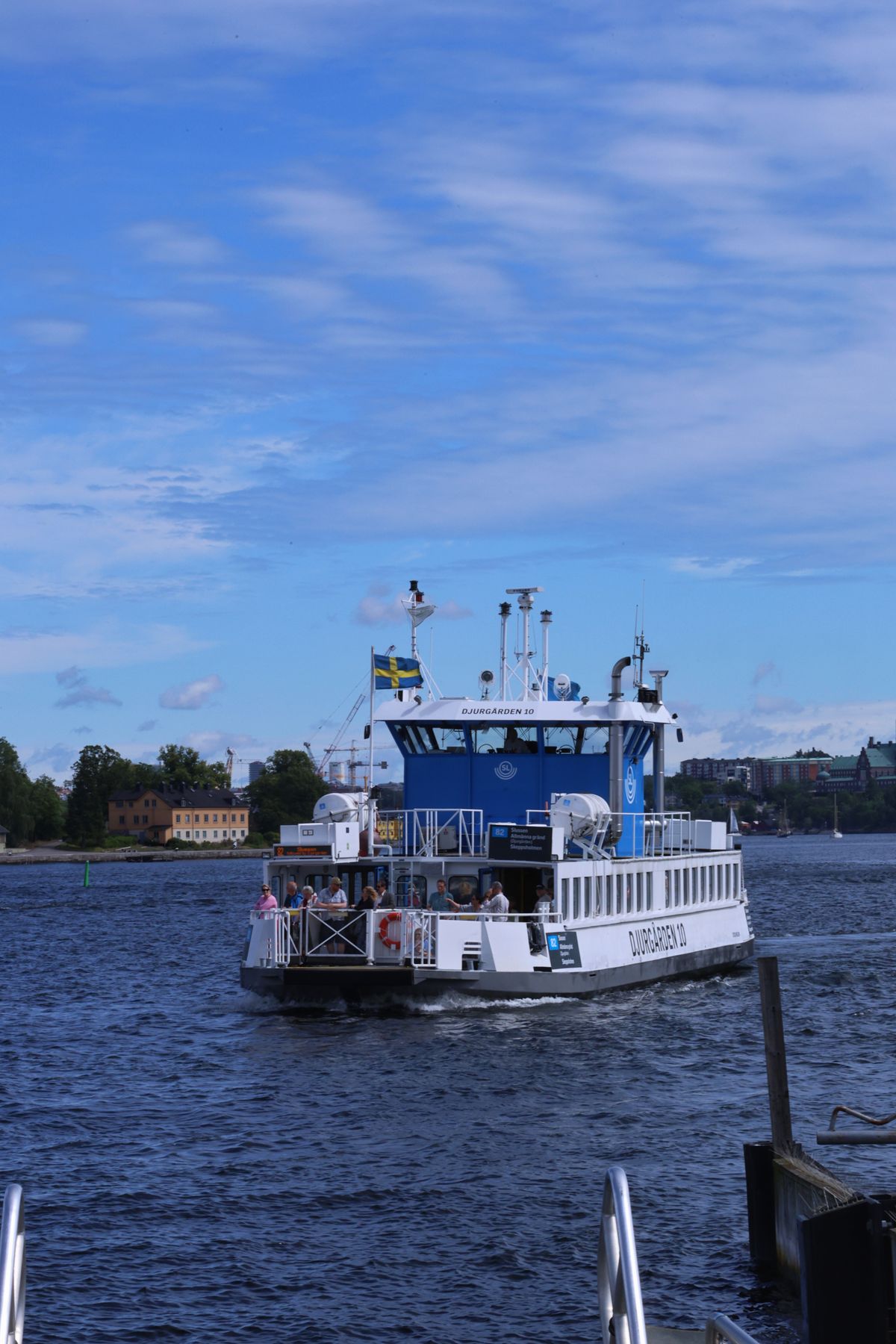
The archipelago season runs June through September. June is beautiful – long days, empty islands, wildflowers – but the water is still cold (twelve to fourteen degrees) and some rental operations are just getting started for the season. July is peak, with the warmest water, the liveliest atmosphere, and the longest usable days. Book accommodation and kayak rental in advance for July.
August is quietly the best month for those who can manage the timing. The summer crowds begin to thin after the first week. The water is at its warmest. The evenings start to darken just enough that you see proper sunsets again – deep orange and red over the outer islands around nine in the evening. The crayfish season opens in August, which means harbours and dockside restaurants start serving kräftskiva spreads. It is not a hardship.
September brings the first touch of autumn colour and near-total solitude. The ferries still run, the water is still swimmable for the committed, and the quality of light in the archipelago in September – low, golden, raking across the granite at shallow angles – is something photographers come from across Europe to capture.
At a Glance: Stockholm Archipelago Islands
| Island | Character | Ferry from Stockholm | Best For | Avoid If |
|---|---|---|---|---|
| Sandhamn | Sailing hub, lively in summer | ~2.5 hours | Nightlife, beach, day trip | Solitude seekers |
| Utö | Complete island, flat cycling | ~2 hours | Multi-day stay, families | Quick day trips |
| Vaxholm | Pleasant town, easy access | 75 min | First archipelago taste | Wild camping experience |
| Möja | Quiet, local feel | ~2 hours | Authentic village life | Those wanting amenities |
| Finnhamn | STF hostel, hiking, calm | ~2 hours | Budget travellers, nature | Luxury seekers |
| Outer wild islands | No services, kayak only | Kayak from Stavsnäs | Wild camping, complete solitude | Beginners without a guide |
The Number That Doesn't Make Sense
30,000 islands. That's what Stockholm archipelago has. You read the number and think it's marketing exaggeration. Then you take a ferry and realize it's conservative. The islands just keep appearing. Some are the size of a house. Some are just rocks. Some have villages with restaurants. Some are empty. All of them are connected by public ferries that cost 25-50 kronor per journey, which is the system that makes the archipelago accessible in a way that nowhere else in Sweden is.
For visitors, the archipelago is overwhelming at first. How do you choose between 30,000 islands? The honest answer: you pick one, take the ferry, and if you like it, come back. Or try the next one. The ferries run frequently enough that spontaneity is possible.
Stockholm archipelago is where you understand that Stockholm isn't just a city — it's a gateway to escape into genuine wilderness that's accessible by public transit, where you can be back in the city for dinner if you choose, or stay overnight and pretend you've left the world entirely.
Understanding the System
Waxholmsbolaget: The Ferry Network
Waxholmsbolaget is the public company that runs ferries throughout the archipelago. The system is simple: you pay per journey (25-50 kr depending on distance), or you buy a multi-day pass (1-day pass is 249 kr, 3-day is 598 kr, 7-day is 998 kr). The boats run year-round but with reduced frequency in winter. Summer (June-August) has peak service every 15-30 minutes on popular routes.
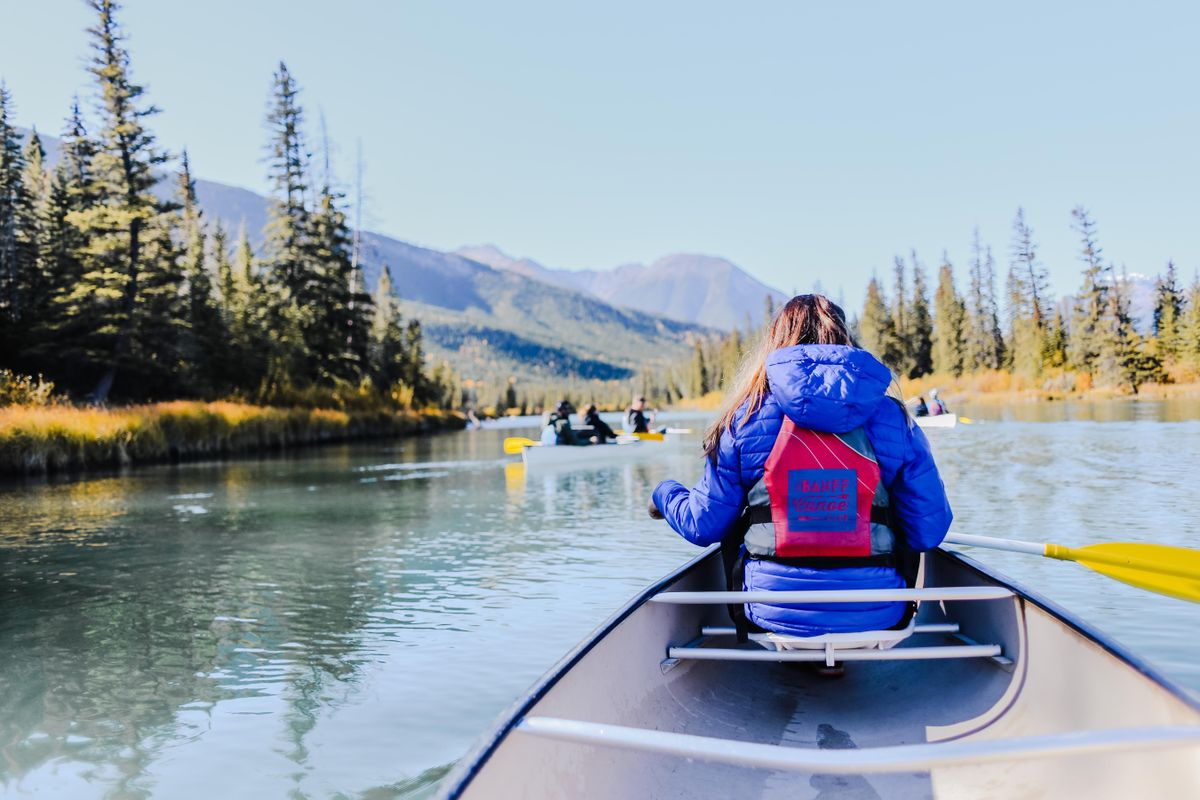
The system is designed for locals (many people commute by ferry), which means the boats are reliable and inexpensive. It also means they're functional, not scenic — you're on a working ferry with real passengers, not on a tourist boat.
Getting there: ferries depart from Strömkajen in Stockholm (walk from Gamla Stan). The terminal is obvious and clearly marked. Schedules are on the Waxholmsbolaget website or app. During summer, the main routes run every 30 minutes. Less popular routes are more sporadic — check the schedule before committing.
Island Categories: What Matters
Most of the 30,000 islands are uninhabited rocks or tiny skerries. The real distinction is between "inhabited inner archipelago" (closest to Stockholm, most infrastructure, busiest) and "outer archipelago" (further out, less infrastructure, more wilderness).
Inner archipelago (30 min from Strömkajen): Vaxholm, Grinda, Dalarö, Utö. These have restaurants, accommodation, services, and more tourists. They're easier to reach and closer to the city.
Mid-archipelago (45-90 min): Sandhamn, Möja, Finnhamn. More remote, fewer tourists, more nature. Still have basic services and restaurants.
Outer archipelago (90+ min): Landsort, Noto. Genuine remoteness, minimal services, barely any tourists. Come here if you want to feel like you've truly escaped.
Where to Actually Go
Vaxholm: The Gateway Island
Vaxholm is 30 minutes from Stockholm and is the "first island" for most tourists. It's a worth seeing fishing village with restaurants, accommodation, and enough infrastructure to feel comfortable. It's also moderately touristy, which means the restaurants are designed for visitors (fine, they're good) and the vibe is slightly polished.
Why go: Easy access, good restaurants (Vaxholms Hembygdsgård is reliable), quiet village feel, good for trying the archipelago without serious commitment.
Mistakes: Treating it as the archetypal archipelago experience. It's more polished than the real thing.
Grinda: The Real Choice
Grinda is 40 minutes from Stockholm and is, in my opinion, the best balance of accessibility and authenticity. It's less famous than Vaxholm, less crowded, and the restaurant (Grindas Värdshus) is genuinely good without being pretentious. The island has a working farm, a hostel, a few cottages, and that sense of being on an actual working island instead of a theme park.
Why go: Less touristy than Vaxholm, more infrastructure than outer islands, good food, good vibe.
Where to eat: Grindas Värdshus is the only restaurant. Make a reservation or risk being turned away at peak hours.
Sandhamn: The Social Hub
Sandhamn is 90 minutes from Stockholm and is the summer social center of the archipelago. It's where young Stockholmers come to party, where sailing boats crowd the harbor, where the vibe is energetic and social. It's less about quiet and more about being with people.
Why go: If you want a social, energetic archipelago experience, good restaurants, late-night options, younger crowd.
Where to stay: Sandhamn has hotels and Airbnb. Book ahead — it fills up on summer weekends.
Utö: The Furthest Comfortable Distance
Utö is 90 minutes away and feels properly remote. It's an island with a real community (about 200 year-round residents), a few restaurants, and the sense of actually having escaped. The water is cleaner here — it's far enough from Stockholm that you're not in shipping lanes.
Why go: You want to feel like you've truly escaped but still have basic services. It's the furthest you can reasonably go on a day trip.
Accommodation: There's Pensionat Utö (the only real hotel) and some cottages. Book ahead.
Möja and Finnhamn: The Real Wilderness
These are mid-archipelago islands that feel genuinely remote despite being accessible by ferry. Möja has a small village and a restaurant. Finnhamn has less infrastructure and more nature. Both feel like actual islands rather than tourist destinations.
Activities: What You Actually Do
Swim
Most islands have designated swimming areas. The water is 16-19°C in summer (cold, but swimmable if you're willing to dive in decisively and adjust quickly). The water quality is excellent — you're far enough from the city that it's clean.
Eat
Each island has at least one restaurant. The food is typically Nordic, seasonal, and priced reasonably for Sweden (250-350 kr for mains). The experience of eating overlooking the water after a ferry ride makes it taste better than it probably is.
Walk
Islands have trails. They're not long — most islands can be circumnavigated in 30-90 minutes. But the walks are genuinely beautiful. Rocky shores, pine forest, water views, and the sound of actual silence (and occasional boat engines).
Sit and Read
This is the actual primary activity. You come to an island. You find a bench or beach. You sit. You read or think or watch the water. You eat lunch. You get back on the ferry. This is the experience.
Staying Overnight: Island Cottages
For the real archipelago experience, stay overnight. Most inhabited islands have cottage rentals available through Airbnb, local booking sites, or direct contact with island communities. A basic cottage for two costs 1200-2000 SEK per night.
What you get: minimal infrastructure (sometimes outdoor toilet, sometimes basic kitchen), views, genuine quiet after the day tourists leave, and the sense of actually living on an island rather than visiting it.
Best islands for overnight stays: Grinda (most infrastructure), Utö (good balance), Möja (more remote, still comfortable), Sandhamn (for social experience).
🛥️ Renting a Boat
If you have the budget and interest, you can rent a small boat and explore independently. This requires a boating license in most cases, but unlicensed boats (under 15 HP) can be rented without one. A small motorboat costs 400-600 SEK per day. This opens up access to truly uninhabited islands and lets you move at your own pace.
When to Visit the Archipelago
Summer (June-August)
Peak season. All ferries running, all restaurants open, all accommodation available. Busiest on weekends. Weather is best (16-20°C, mostly sunny). Go if you like people and services.
Late Summer (August-September)
Water is warmest (18-19°C). Crowds drop after August. Light is golden. Weather is still good. This is probably the best season actually.
Winter (November-February)
Many services close or reduce hours. Weather is cold and unpredictable. Some islands are barely accessible. Go only if you want the actual isolation and colder-water experience.
Mistakes Tourists Make in the Stockholm Archipelago
❌ Only taking the day-trip ferry to Vaxholm
Vaxholm is lovely but it's the gateway, not the destination. The archipelago reveals itself over days, not hours. Most visitors who take only the Vaxholm ferry come home having seen a well-preserved 16th-century fortress and a pleasant harbour town — and completely missed the actual experience of the archipelago. Go further. Stay overnight. The day-trippers leave at 6pm and the island becomes something else entirely.
❌ Kayaking the outer archipelago without experience
The outer archipelago — beyond Sandhamn and the main ferry routes — is exposed open water with real tidal patterns and weather. People get into serious difficulty here every summer. For beginners: stay in the inner archipelago, consider a guided first day, and check the SMHI weather forecast before any significant paddle. The inner archipelago is genuinely forgiving. The outer is not.
❌ Not buying a Båtluffarkort (island-hopping pass)
Individual ferry tickets in the archipelago are expensive if you're island-hopping. The Waxholmsbolaget 30-day card (Båtluffarkort, around 1,200 kr) covers unlimited ferry travel in the entire archipelago for a month. For a week of island-hopping it pays for itself within two or three journeys. Buy it online before you travel.
Frequently Asked Questions: Stockholm Archipelago
How many islands are in the Stockholm Archipelago?
Around 27,000 islands, islets and rocks — though the exact number depends on what you're willing to call an island. About 1,000 are permanently inhabited. The rest are accessible under Allemansrätten: you can camp, kayak to and explore almost all of them without asking anyone's permission.
How do I get around the Stockholm Archipelago?
The Waxholmsbolaget ferry network connects the major islands from Stockholm's Strömkajen terminal. A 30-day archipelago card (Båtluffarkort) costs around 1,200 kr and covers unlimited travel — excellent value for a week or more of island hopping. For the outer archipelago and islands without ferry stops, kayak is the only option.
Can I kayak in the Stockholm Archipelago without experience?
Yes, on the inner archipelago where the water is sheltered. Several operators near Gustavsberg and Stavsnäs offer kayak hire and guided day tours suitable for beginners. The outer archipelago requires genuine sea kayaking skill — open water, tidal patterns and exposure to weather. For first-timers, stick to the inner islands and consider a guided tour for the first day.
Which archipelago island should I base myself on?
Sandhamn for nightlife and sailing culture. Utö for the most complete island experience including cycling and good accommodation. Möja for something quieter and more genuinely local. Finnhamn for the classic STF hostel experience. For a day trip from Stockholm, Vaxholm is the easiest — 75 minutes by ferry and well worth a half-day.
When is the best time to visit the archipelago?
Late June and early July: water warm enough to swim (17–20°C), ferries running to full summer schedules, long evenings. July is peak season — busier and pricier. August is still excellent and noticeably less crowded after the first week. September is the locals' secret: calm water, low light, empty islands, cheaper accommodation.
→ Also see our Swedish sauna culture guide — the heat-cold ritual that defines Swedish wellness.