Seven days is enough to cover Sweden's three genuinely distinct summer landscapes: the capital and its islands, the granite west coast, and the lake district in the interior. This route does all three without rushing any of them, is achievable entirely by train if you don't want to hire a car, and costs around 900 SEK per day for everything once you're there.
The itinerary runs Sunday to Saturday, which suits most flight schedules into Stockholm Arlanda. Adjust by one day in either direction without any structural change to the route.
The Route at a Glance
Days 1–2 in Stockholm. Day 3 travel day to Gothenburg. Days 4–5 Bohuslän coast. Day 6 travel to Dalarna. Day 7 Dalarna and return to Stockholm. Total train journey: approximately 12 hours spread across the week. Total distance covered: around 1,100 kilometres in a rough loop.
Book these in advance
Stockholm accommodation for nights 1–2 (Midsommar week fills the city completely — avoid late June unless you specifically want the celebration). X2000 train Stockholm–Gothenburg at least a week ahead to get the ~350 SEK advance fare rather than the ~900 SEK walk-up price. Car hire for days 4–5 if you want to explore Bohuslän properly (a car opens up the smaller fishing villages that buses don't reach).
Day 1 — Stockholm: Arrival and First Evening
Gamla Stan, Södermalm, first sleep
Fly into Arlanda. The Arlanda Express train to Stockholm Central takes 20 minutes and costs 299 SEK — the most painless airport transfer in Sweden. Check in and walk. Stockholm is a city built on 14 islands and the first-day experience is simply orientation: cross bridges, find water views, understand the scale.
The afternoon is for Gamla Stan — the medieval old town on the central island. The Royal Palace exterior (free to walk past, 160 SEK to enter), Stortorget square with its coloured merchants' houses, the narrow lanes of Köpmangatan. Avoid eating here; the restaurants on the main tourist street are functional but the food-to-price ratio is poor.
For dinner, cross to Södermalm — the island south of Gamla Stan that contains most of Stockholm's actual food culture. Nytorget square and the streets around it have a cluster of good options: Urban Deli for something between a deli and a restaurant (350–500 SEK), Tacobar for fast and genuine (120–180 SEK), or the evening outdoor scene on Hornstull Strand if you arrive in midsummer. Sleep well — tomorrow is a full day.
Day 2 — Stockholm and the Archipelago
Waxholmsbolaget ferry to Grinda, back by evening
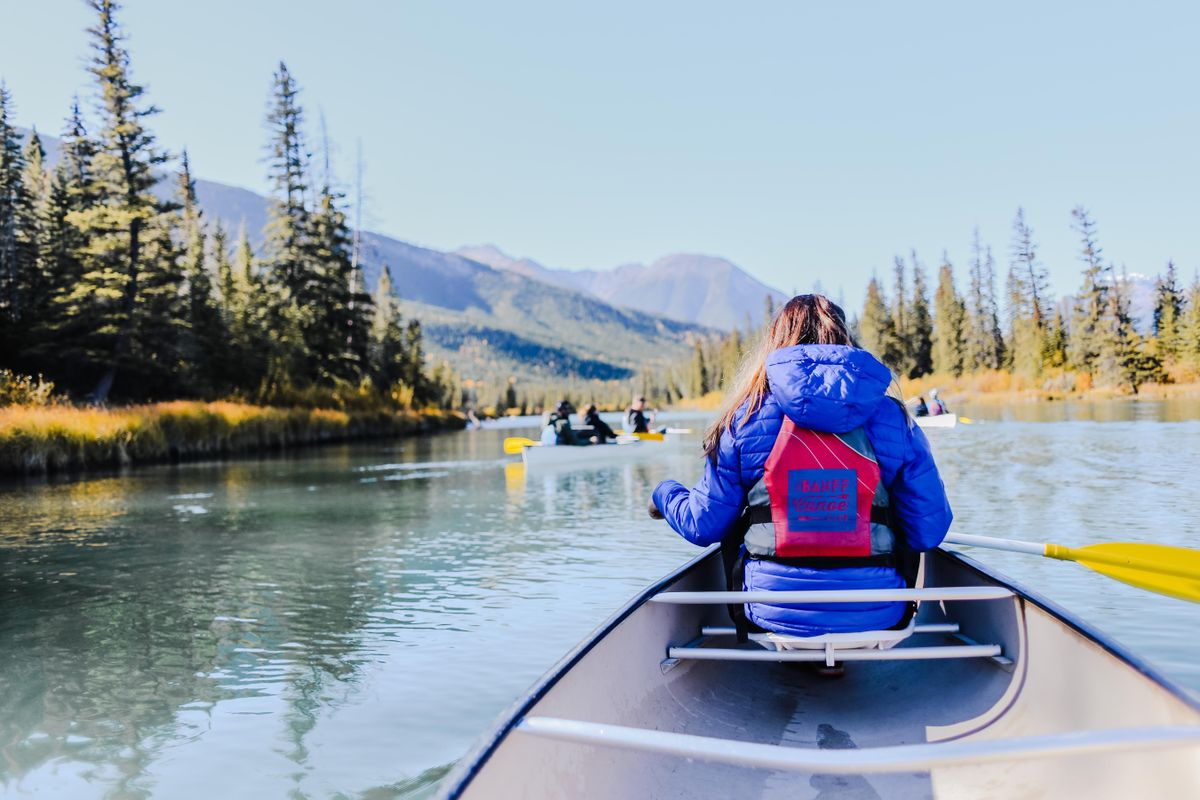
Leave the hotel by 9am. Walk to Strömkajen — the quay below the Grand Hôtel — and board the Waxholmsbolaget ferry. A standard single to Grinda costs 97 SEK using the SL travel card (which you should have from yesterday) or around 130 SEK cash. The ferry takes 1h 45min through the inner archipelago, passing islands that get progressively quieter and more forested.
Grinda is a car-free island 35km east of Stockholm — one of the closest genuinely wild-feeling islands in the archipelago. There are marked walking trails (2–4km loops), flat granite rocks descending into clear water for swimming, and a café/restaurant at the guesthouse that does excellent grilled fish. Bring a picnic if budget is a priority: the rocks and the water are free.
Alternatives to Grinda: Sandhamn (further, more fashionable, better beach, more expensive), Möja (further still, more genuinely remote, requires more planning), Vaxholm (closer, more touristy but has a proper castle and good bakery). For a first visit, Grinda is the most reliable choice.
Return ferry by 16:30 to be back in Stockholm for early evening. Final Stockholm dinner — Djurgårdsbrunnsviken canal or the Östermalm food hall, open until 7pm, for high-quality provisions at lower-than-restaurant prices.
Day 3 — Train to Gothenburg
Morning train, afternoon arrival, first Gothenburg evening
Book the 08:00 X2000 from Stockholm Central. It arrives in Gothenburg at 10:51 — three hours that pass quickly, especially with the Swedish countryside in full summer outside the window. Advance booking: around 350 SEK. Walk-up: 850–1,100 SEK. Book this before you travel.
Check in to accommodation in central Gothenburg — the Haga or Linné neighbourhoods are the most characterful options, walkable to everything. The afternoon is for the city itself: Haga Nygata for the best kanelbullar in Sweden (Café Husaren's version is the size of a dinner plate — 55 SEK and genuinely worth it), the Feskekôrka covered fish market by the canal for cured salmon and pickled herring, Slottsskogen park if you need an hour of grass and geese.
Evening: Gothenburg eats well. Familjen on Aschebergsgatan does the kind of unfussy Swedish seasonal menu that justifies the city's food reputation (main courses 220–320 SEK). For something faster, the indoor food hall at Saluhallen on Kungstorget has everything from sushi to meatballs to excellent Swedish open sandwiches.
Day 4 — Bohuslän: Smögen and the Granite Coast
Drive or bus north to Smögen, prawns, swimming, Fjällbacka
Pick up the hire car this morning if you booked one — it makes the next two days significantly better. Without a car, there are buses from Gothenburg to Smögen (2h, ~130 SEK) that run regularly in summer. With a car, drive the E6 north to Kungshamn and park, then walk across the bridge to Smögen.
Smögen is the most visited fishing village on the west coast. The wooden boardwalk along the harbour is genuinely beautiful — painted red and white houses, fishing boats, the smell of brine and engine oil. Buy fresh prawns from the boats at the quay when they come in around midday: 200–250 SEK per kilo, eat them on the boardwalk with bread and butter from the adjacent shop, and understand why this particular combination has been a Swedish summer ritual for a century.
After lunch, drive 20 minutes north to Fjällbacka — a smaller, quieter village below a dramatic cliff face where Ingrid Bergman spent her summers and is buried. The main square is architecturally intact 18th-century and genuinely not a tourist construction. Swimming from the flat granite rocks south of the harbour in the afternoon — water temperature reaches 20–22°C in July.
Tonight: Grebbestad or Lysekil for accommodation. Grebbestad has the best oysters on the Swedish coast, harvested locally (order a dozen for 180–240 SEK at the harbourside restaurant).
Day 5 — Bohuslän: Marstrand or Kosteröarna
Choose: the fortress island or Sweden's only car-free islands
Option A: Marstrand. Drive south to the ferry crossing at Koön (2min crossing, free, runs continuously). Marstrand is a car-free island dominated by the 17th-century Carlsten Fortress on its central hill (80 SEK to enter, worth the climb for the views). The village is compact, the swimming below the fortress wall is excellent, and the restaurants are genuinely good — Brödernas is the best value (fish soup, bread, 185 SEK). Good for a full day.
Option B: Kosteröarna. Drive north to Strömstad (1h) and take the ferry to Nordkoster and Sydkoster — the only car-free islands in Sweden, sitting in the Kosterfjord which has the clearest water on the Swedish coast. The ferry costs 130–180 SEK return. Bring a bicycle if you can (hire available at the quay, 150 SEK/day) — the islands are flat and the roads are quiet. Wild swimming from anywhere along the eastern shore of Sydkoster is exceptional.
Return to Gothenburg in the afternoon by car or bus. Drop the hire car if you have one. Tonight is the last Gothenburg evening — if budget allows, dinner at Sjömagasinet (fish and seafood, outstanding, 400–600 SEK per person) is worth it.
Day 6 — Train to Dalarna: Lake Siljan
Train to Dalarna, swim in Lake Siljan, Rättvik
Morning train from Gothenburg to Borlänge (3h, ~280 SEK) then connecting train to Rättvik (1h, ~120 SEK). Total: around four hours of travel, arriving by early afternoon if you take the 08:30 from Gothenburg.
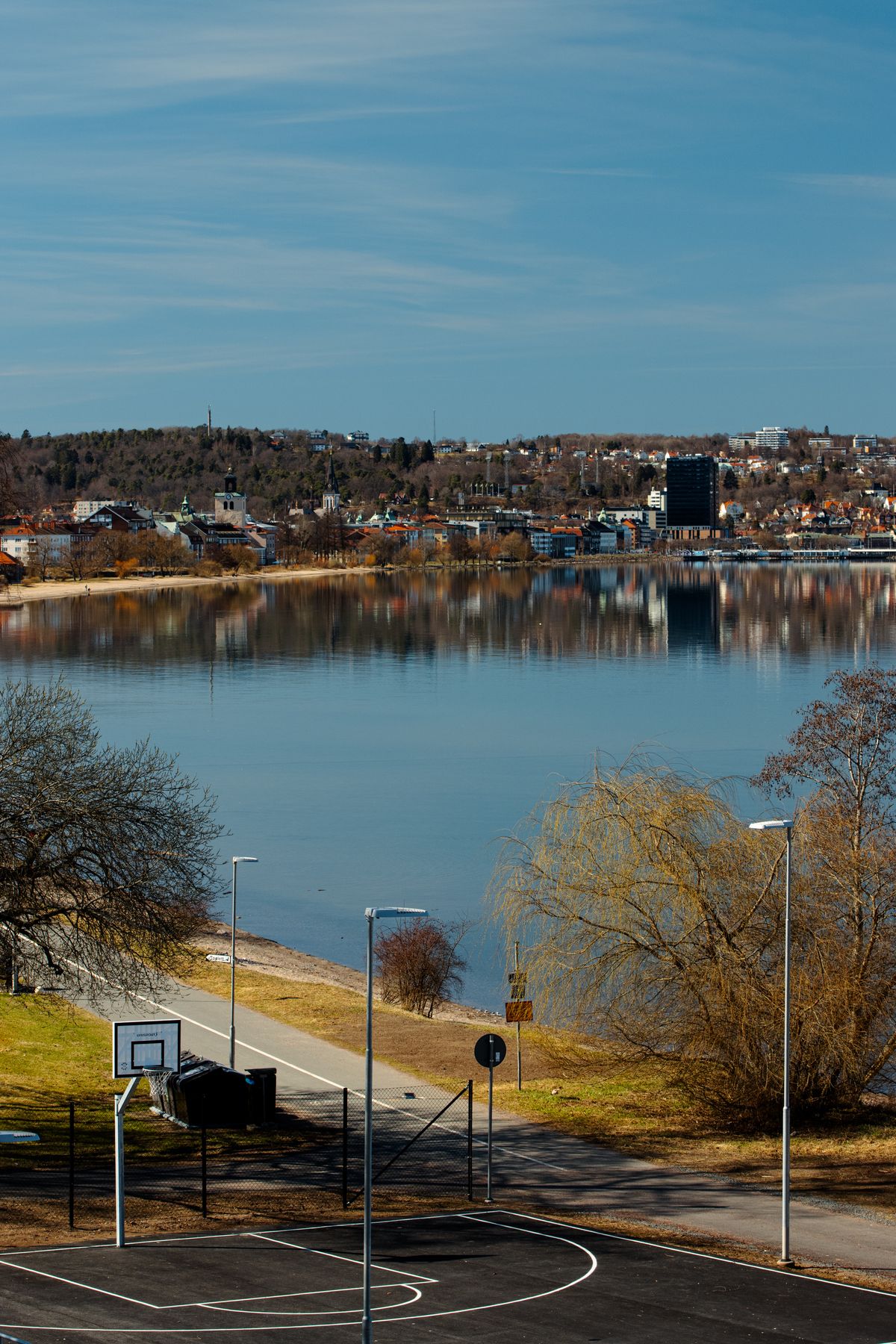
Rättvik sits on the eastern shore of Lake Siljan — the largest lake in Dalarna, formed by a meteor impact 376 million years ago and ringed by the most classically Swedish countryside in the country. The village has a 15th-century church, a dock that extends 628 metres into the lake (the longest in Sweden), and a flat, grassy swimming area at the end of that dock where the water is reliably 20–22°C in July.
If you arrive before 3pm, rent a paddleboard or kayak from the lakeside hire point (200 SEK/hr) and paddle out toward the uninhabited islands in the centre of the lake. The evening light on Siljan is the particular gold of northern summer that doesn't occur this far south. Eat at Enkel or the hotel restaurant on Storgatan — nothing exceptional, but solid Swedish cooking at reasonable prices (150–250 SEK for a main).
Day 7 — Mora, Dala Horses and Return to Stockholm
Morning in Mora, afternoon departure, Stockholm evening
The last full day is Mora, 15 minutes north of Rättvik by bus or train (30 SEK). Two reasons to be here. First: Nusnäs village, 3km east of Mora — the workshop of Nils Olsson Hemslöjd, the oldest and most reputable Dala horse producer in Sweden. The workshop is free to walk through, you can watch craftspeople paint the horses by hand, and buy directly at prices lower than Stockholm shops. A small horse costs 80–150 SEK; a larger one 250–600 SEK. Second: the Vasaloppet museum in Mora town centre (100 SEK), which documents the world's oldest and largest cross-country ski race with surprising emotional force.
Lunch in Mora before the 13:00 or 15:00 train back to Stockholm via Borlänge (3h total, arriving Stockholm 16:00–18:00). Stockholm evening for a final dinner, or directly to the airport if flying tonight. Arlanda Express from Stockholm Central: 20 minutes, 299 SEK.
What It Costs
| Category | Budget (SEK/day) | Mid-range (SEK/day) |
|---|---|---|
| Accommodation | 350–500 (hostel/budget hotel) | 900–1,400 (mid hotel) |
| Food and drink | 200–300 (self-catering + one meal out) | 350–550 (mostly eating out) |
| Transport | 150 (train + local) | 200 (train + occasional taxi) |
| Activities | 50–100 | 150–300 |
| Total per day | 750–1,100 SEK | 1,600–2,450 SEK |
Car hire adds 500–700 SEK per day for days 4–5 on the west coast, but is optional — the bus network covers Smögen and Marstrand adequately in summer.
Common Adjustments
If you have 8 or 9 days, add a night in Bohuslän. The west coast rewards a slower pace. Fjällbacka, Lysekil and the Koster Islands each deserve more time than one day gives them.
If Midsommar falls within your dates (third weekend of June), the Dalarna lake towns — particularly Leksand and Rättvik — host the most traditional celebrations in the country. The crowds are significant but the experience is genuinely unlike anything else in Europe. Book accommodation for Midsommar in Dalarna in January.
If you're travelling with children, day 2's archipelago ferry works well, but consider swapping Gothenburg for a direct move to the lake district from Stockholm. Dalarna has the better infrastructure for families with young children, and Lake Siljan's swimming beaches are easier for small children than the rocky Bohuslän coast.
What to Pack for This Route
The route covers city walking, coastal swimming and lake activities across a week, which means the packing list is more varied than a single-environment trip. Non-negotiable items: a compact rain layer (the Bohuslän coast gets Atlantic weather without warning), swimwear and a quick-dry towel (you will swim at least once a day on days 4–7), comfortable walking shoes that double as evening shoes (you don't need separate options), and a small dry bag for the archipelago ferry day in case of spray or rain.
The overnight bag for Dalarna is lighter than the coastal days — pack down to a day bag if you're using train left luggage facilities in Stockholm and Gothenburg for main luggage. Most Swedish trains have large luggage racks and left-luggage lockers at major stations cost 40–80 SEK per day.
Mosquitoes are a reality in Dalarna forests and around Lake Siljan in July. DEET-based repellent or Mygga spray (the Swedish standard, available at any pharmacy) is worth having. The archipelago and coast are largely wind-cleared and not a significant problem.
Frequently Asked Questions
Do I need to speak Swedish for this itinerary?
No. English is spoken universally in Stockholm, Gothenburg and all tourist-facing contexts in the lake districts. Menus in restaurants and signs in public transport are bilingual or self-explanatory. In very small villages, staff may have limited English, but pointing and patience resolve most situations. Learning hej (hello), tack (thank you) and förlåt (excuse me/sorry) takes five minutes and is received warmly.
Can I do this without a car?
Yes. The route is designed to be fully achievable by train and bus. Stockholm and Gothenburg are well-connected by X2000 train (3 hours). Smögen is reachable by bus from Gothenburg. Rättvik and Mora are both on the rail network from Gothenburg via Borlänge. The only section where a car adds material value is exploring smaller Bohuslän villages between Smögen and Marstrand — without a car, pick one of the two rather than both.
When is the best time to do this route?
July is the peak month — warmest water, longest days, full boat and market season. Late June is quieter and excellent except around Midsommar weekend (third Saturday of June) when Dalarna is extremely busy. August is ideal for the west coast crayfish season and Gothenburg food culture at its best. Early September extends the lake swimming and loses the crowds.
How far in advance should I book?
Trains: 2–4 weeks for good advance fares. Peak July accommodation in Gothenburg: 6–8 weeks. Lake cottages in Dalarna for July: January to March. The archipelago ferry (Waxholmsbolaget) does not require booking — turn up and board.