It is September. Christmas is twelve weeks away. This is not early — this is, in fact, about the latest you should be starting to plan a Swedish Christmas, particularly if Lapland, Åre over New Year or the Icehotel are anywhere in the picture. Those things fill in October. Stockholm fills in November. The window to book well is now.
The case for Sweden at Christmas does not require much making. The country invented the Scandinavian winter aesthetic that the rest of the world spends December pretending to have — the candles in every window, the wood fires, the glögg, the particular darkness of 3pm that makes the lights matter more. Sweden's Christmas is not a tourist performance of these things. It is simply how the country has operated in December for several hundred years.
This guide covers where to go, what is specific to Christmas 2026 and New Year 2027, what to book in what order, and what everything costs.
⏰ What to book this week
Icehotel ice rooms for Christmas week → book directly at icehotel.com, they fill by October. Åre SkiStar accommodation over Christmas and New Year → book at skistar.com, Christmas week sells out by November. Lapland dog sled and snowmobile tours for December–January → most reputable operators are already taking bookings for the 2026–27 season. Stockholm accommodation for Christmas week → book 6-8 weeks ahead minimum.
Why Sweden for Christmas
The honest version: Sweden sits at the latitude where the winter solstice actually means something. On December 21 in Stockholm, the sun rises at 8:44am and sets at 2:48pm — six hours of pale daylight, most of it the colour of a slow sunset. In Kiruna, above the Arctic Circle, the sun does not rise at all between late November and mid-January. This is called polar night, and while it sounds forbidding, the practical experience is a landscape that glows blue and white for a few hours around midday, and then darkness that makes the lights of towns and cabins and Christmas trees genuinely luminous against it.
The Swedish response to this darkness is not to fight it. The country leans in: the most candles per capita of any country in the world, the Advent calendar tradition that has been running in its current form since the 1920s, the Lucia procession on December 13th that is genuinely moving even if you know nothing about what it commemorates. A Swedish Christmas is built around managing the dark with light and warmth, which is the correct and oldest human response to winter, and it is more convincing when the dark is real and extreme.
The Four Options: Which Sweden for Your Christmas
Stockholm: Markets, Lucia and New Year's Fireworks
The Gamla Stan Christmas market on Stortorget — the same cobbled medieval square that has hosted a market since 1837 — runs from late November to December 23rd. Wooden red stalls sell handmade ornaments, glögg served from copper pots, pepparkakor gingerbread, and the occasional genuine piece of Swedish handicraft worth buying. The market is small, genuinely atmospheric and free to enter. The surrounding buildings are medieval, lit at dusk, and look exactly as they should. This is not a reconstruction or a tourist approximation — it is the original.
December 13th is Lucia, Sweden's most specific contribution to the Christmas season. Every school, workplace and church in the country holds a Lucia procession — a choir in white robes, the lead singer (Lucia) with a crown of electric or real candles, singing Sankta Lucia as they process through a darkened room. The national televised ceremony is at Skansen and is watched by most of Sweden. Attending a local church Lucia — ask at any Swedish church in Stockholm for their times — is the more intimate version.
New Year's Eve in Stockholm: fireworks over the Skansen hill at midnight, visible from most of the city's elevated points and from the Djurgårdsbrunnsviken canal. The crowd at Skansen itself costs 200 SEK admission; watching from the Djurgården shoreline is free and the view is comparable.
Dalarna: The Most Swedish Christmas in Sweden
Dalarna is where the Swedish Christmas that the rest of the world borrows its imagery from actually exists year-round. The red wooden houses (faluröd) are ubiquitous. The churches are 15th-century stone, candlelit for julotta — the Christmas morning service that runs at 6am on Christmas Day and has been held in these buildings since the Middle Ages. The Dala horses come from here, specifically from Nusnäs village near Mora.
The experience of Christmas in Dalarna is not primarily about activities. It is about the atmosphere of a landscape that takes December seriously: Lake Siljan frozen over, birch trees carrying snow, the smell of wood smoke in small towns at dusk. Rättvik, on the eastern shore of Siljan, has the candle-lit church that Swedish Christmas cards use as a reference image. Leksand has a church right on the lake with an outdoor Lucia ceremony in December that is attended by the entire town.
Accommodation: cottages (stugor) around Lake Siljan rent for Christmas week at 1,200–2,000 SEK per night. Book these in September or October — families return to the same ones year after year and availability is limited.
Lapland: The Icehotel, Northern Lights and Polar Night
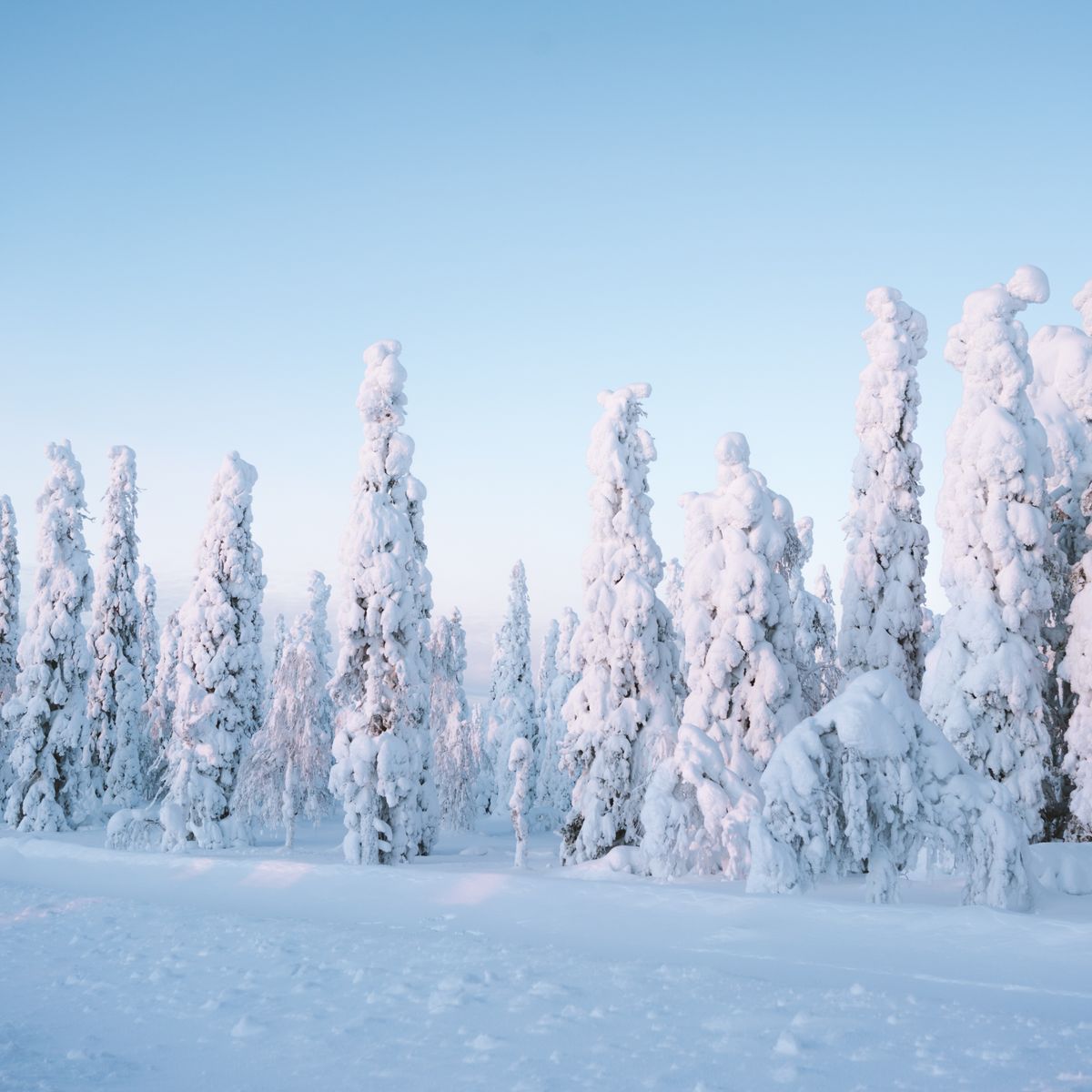
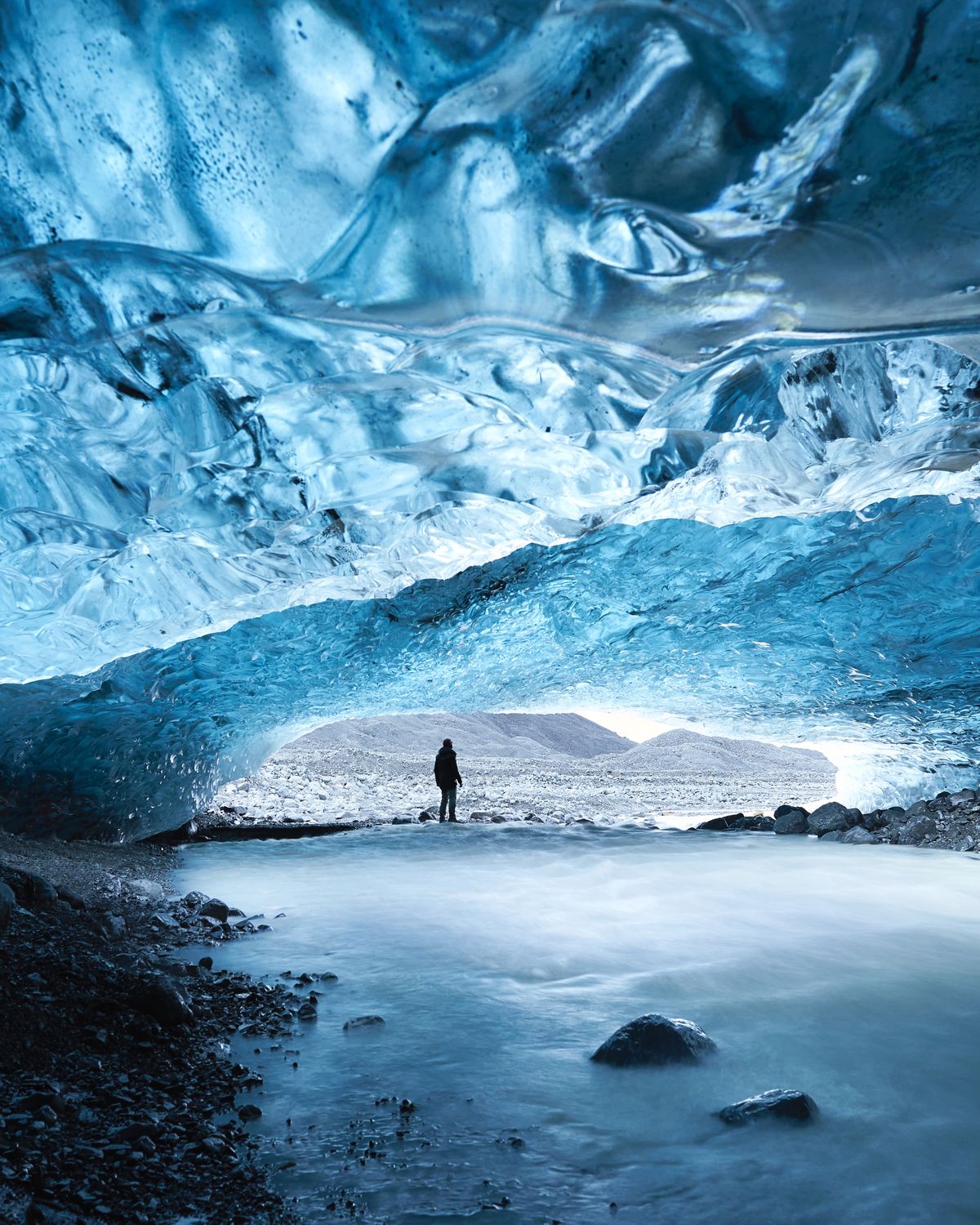
Kiruna and Abisko, above the Arctic Circle in northern Lapland, are the combination that most people mean when they say they want a "Swedish Christmas." The Icehotel at Jukkasjärvi, 18km from Kiruna, opens its new ice rooms in December — each one designed and built by a different artist, different every year. The ice rooms start at approximately 3,500 SEK per person per night. The hotel's warm rooms are available at similar prices. Day visitor admission (without staying) is 195 SEK.
The Northern Lights appear above Kiruna on any clear night between October and March when the Kp index is above 2. December and January are the darkest months — maximum aurora viewing hours — though the coldest temperatures (−15°C to −30°C) require serious preparation. February has more daylight returning and is widely considered the best month overall. Abisko Tourist Station, 90km west of Kiruna, sits in a unique cloud-free microclimate and has the Aurora Sky Station (895 SEK) — the best viewing platform in Europe for the lights.
Dog sledding, snowmobile safaris and reindeer herding experiences with Sámi guides are all available from operators in Kiruna and Abisko. A full-day dog sled tour costs 2,500–3,500 SEK per person. Book specific operators directly — Kiruna Guidetur and Abisko Aktiviteter are consistently well-reviewed. Most tours include thermal suits and a hot lunch cooked over a fire.
Getting there: overnight train from Stockholm (16 hours, from 1,050 SEK with cabin — book via the SJ app). Or fly Stockholm → Kiruna, 1.5 hours, from 600 SEK. Christmas week flights book out in October.
Åre: Skiing Christmas Week and New Year
Åre over Christmas and New Year is the Swedish ski holiday equivalent of the Alps in peak season — the mountain is genuinely busy, the lift queues are real, and the accommodation around the village fills completely. Which is also why, if you want to do it, this is the time to book.
Åre typically opens in late November and runs through April. Christmas week (December 21–28) and New Year's week (December 28–January 4) are the two peak ski weeks of the year. SkiStar lift passes for these weeks: 795–950 SEK per day for adults. Accommodation at Åre over Christmas starts at 1,500 SEK per room per night for a standard hotel; ski-in/ski-out apartments in Åre By run 2,500–4,500 SEK per night for a 4-person unit.
New Year's Eve at Åre: the village runs a torchlight descent on New Year's Eve, where skiers with torches descend the mountain at midnight. One of the better New Year's experiences in Swedish winter sports, with the après-ski culture of Åre at its most energetic. Book the week to include January 1st if the New Year experience matters — the mountain is usually open the 1st and a first ski day of the new year has a particular atmosphere.
Swedish Christmas Traditions: What to Expect
Advent
Swedish Advent starts on the fourth Sunday before Christmas. The Advent star — a large paper or electric star in the window — appears in virtually every Swedish home from the first Sunday of Advent. Advent calendars (both physical and television-based; SVT broadcasts a new julkalender every year) are taken seriously by adults as well as children. Advent Sundays have a specific candlelit candelabra tradition: one candle on the first Sunday, two on the second, building to four. These are visible in most Swedish windows through December.
Lucia — December 13th
The most distinctive Swedish December tradition. Schools and workplaces hold processions from early morning. The national televised ceremony at Skansen runs at 7am on SVT and is watchable abroad. In Stockholm, the main public Lucia is at Storkyrkan (the Stockholm Cathedral in Gamla Stan) — check the church website for 2026 service times, usually announced in November.
Julbord
The Swedish Christmas buffet, served throughout December at restaurants and hotels. It includes: gravlax (cured salmon), pickled herring in multiple preparations, Janssons frestelse (potato and anchovy gratin), meatballs and Prinskorv sausages, Janssons frestelse, rice pudding with an almond hidden inside, and inevitably a great deal of knäckebröd. Most hotels and many restaurants serve julbord every Friday and Saturday in December. At Stockholm's Grand Hôtel, julbord costs 795–1,295 SEK per person. At local restaurants across Sweden, the price ranges from 395–695 SEK. It is worth doing once.
Glögg
Mulled wine, served hot, with raisins and blanched almonds. Available everywhere from late November. The Christmas market version is the most atmospheric but the quality at dedicated bars and restaurants is significantly better. Vigårda on Vasastan in Stockholm does an exceptional version. Price: 65–95 SEK per cup at markets, 80–120 SEK at bars.
Booking Timeline: What to Do in What Order
| Book by | What | Why it fills |
|---|---|---|
| Now — October | Icehotel ice rooms · Åre Christmas/New Year accommodation · Lapland dog sled tours · Kiruna flights | These are the first things to sell out. Ice rooms go by October, Åre Christmas accommodation by November. |
| October – November | Stockholm Christmas week accommodation · Lapland overnight trains · Dalarna lake cottages | Stockholm fills 6-8 weeks ahead for Christmas. SJ overnight trains book out for Christmas week in November. |
| November | New Year's Stockholm accommodation · Åre New Year's lift passes · Restaurant reservations (julbord) | New Year's Stockholm accommodation goes late but the best options disappear by late November. |
| December | Day tickets for Skansen Lucia · Icehotel day visits · Any remaining restaurant bookings | The Skansen Lucia and day visits to the Icehotel can often be booked in November–December but Christmas week at Icehotel fills earlier. |
What It Costs
Stockholm Christmas week (4 nights)
Mid-range hotel: 4,000–6,000 SEK. Food for 4 days (restaurants and markets): 2,000–3,000 SEK. Transport and activities (julbord, Skansen): 1,500–2,000 SEK. Total per person: approximately 7,500–11,000 SEK (€660–970), excluding flights.
Lapland Northern Lights trip (5 nights)
Accommodation in Kiruna + Abisko (mix of hotel and tourist station): 6,000–12,000 SEK. Icehotel day visit: 195 SEK. Aurora Sky Station: 895 SEK. Dog sledding full day: 2,500–3,500 SEK. Overnight train from Stockholm return: 2,100 SEK (with cabin, both ways). Food and local transport: 2,500–3,500 SEK. Total per person: approximately 14,000–22,000 SEK (€1,240–1,945).
Åre skiing Christmas week (7 nights)
SkiStar accommodation: 8,000–18,000 SEK depending on room type and timing. Lift passes (6 days): 4,200–5,500 SEK. Ski hire (6 days): 2,400–4,200 SEK. Food: 3,500–5,000 SEK. Total per person: approximately 18,000–32,000 SEK (€1,590–2,830).
What to Pack
For Stockholm and Dalarna in December: temperature −2°C to −10°C average. Waterproof outer layer, thermal mid-layer, base layer. Waterproof boots with grip (Stockholm pavements ice over without warning). Gloves and hat — these matter more than a heavier jacket. A scarf that covers the lower face.
For Lapland: temperature −10°C to −30°C. Operators provide outer thermal suits for all activities, so your personal layering underneath is the priority: merino wool base layer, mid-layer fleece. Do not wear cotton. Wool socks in boots rated to at least −30°C. A face balaclava — provided by most operators but worth having your own. Hand warmers for the pockets.
For Åre skiing: standard ski equipment (hire available at the resort from 400–700 SEK per day). Ski jacket, thermal base layer, helmet. Merino wool sock liners under ski socks make a notable difference at −10°C on the mountain.
Frequently Asked Questions
When do Stockholm Christmas markets open in 2026?
The Gamla Stan market on Stortorget opens in late November and runs daily until December 23rd, 11am–6pm. The Skansen market opens around the same time (admission to Skansen required: 195–250 SEK). The Kungsträdgården market, with the outdoor ice skating rink, runs from late November through Christmas. All are free to enter except Skansen itself.
What is the best base for Northern Lights in Sweden?
Abisko Tourist Station, 90km west of Kiruna, is the most reliable base. The town sits in a microclimate that gives it significantly more clear nights than the surrounding region. The Aurora Sky Station — a chairlift to 900m above sea level — is the best structured viewing platform in Europe. Book the station and accommodation together at the tourist station website (naturereservations.se). For more flexibility, Kiruna itself has more accommodation options and Abisko is accessible by road in 1.5 hours.
Is a Swedish Christmas suitable for children?
Strongly yes. Lucia in a school or church is one of the more genuinely affecting experiences children remember from a Swedish Christmas. The julbord format suits children better than formal restaurant dining. Dog sledding operators in Lapland take children from age 8–10 depending on operator. Åre's children's ski school is excellent. Dalarna's lake villages are calm, safe and well-suited to families.
Can I combine Stockholm with Lapland in one trip?
Yes, and this is a common structure for a week. Two nights in Stockholm (arrival, Gamla Stan market, julbord), then overnight train to Kiruna (departs Stockholm 17:45, arrives Kiruna 09:30), three nights in Lapland, then fly Kiruna to Stockholm and return home. The overnight train does the heavy transit while you sleep. Total flight cost for the internal Kiruna–Stockholm leg: from 600 SEK advance.