The Overlooked Season
Most people who think about Sweden think about midsummer or the Northern Lights. Very few think about April and May. This is one of travel's more significant oversights, because the Swedish spring — specifically the six weeks from late April through to the end of May — is one of the most dramatic seasonal transformations in Europe, happening in a country that is almost entirely empty of tourists.
The Green Explosion
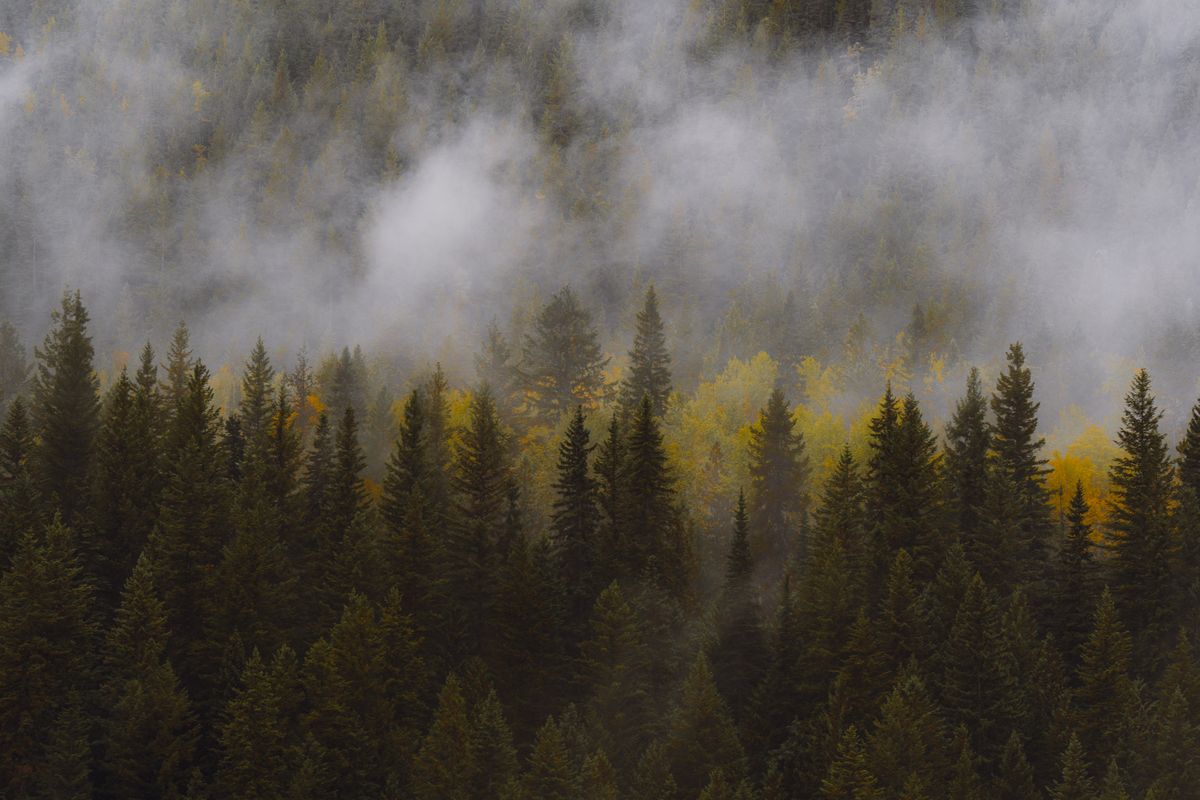
The birch trees leaf in a single week. Not gradually, not tentatively — they go from bare grey sticks to full luminous green in seven days, and the light that comes through new birch leaves has a quality that is genuinely unlike anything else in nature. The snow melts from the mountain tops and floods the rivers into something violent and beautiful. The wood anemones carpet the forest floor in white before the canopy closes over them. The birds return from Africa in waves, and on a still morning in early May, standing at the edge of a lake in Dalarna, you can hear thirty species of bird before breakfast.
The Swedes themselves understand this. Islossning — the breaking of the ice on the lakes and rivers — is something people mark in their calendars. Grönskans dag — the day the birches leaf — is observed and talked about. The spring in Sweden is not a mild version of summer. It is its own complete season with its own complete argument.
What Spring Actually Looks Like in Sweden
The critical thing to understand about Swedish spring is how it moves. Sweden is 1,600 kilometres from south to north, and spring travels that distance at roughly 30 kilometres per day — the grön våg, the green wave, as Swedes call it. In practical terms: Skåne (the southernmost county) reaches full spring bloom in late April. Stockholm reaches it in mid-May. Dalarna and the central lake districts in late May. Northern Sweden and the fells of Lapland in June, which is technically summer on the calendar but spring in character.
This means you can, if you're willing to travel, follow the spring north through the country — arriving in Malmö in late April as the first wildflowers appear, moving to Stockholm in May as the birches break, and reaching Lapland in early June as the snow retreats from the mountain slopes and the waterfalls are at full force. No other country in Europe offers this experience across such varied landscape and over such an extended period.
| Region | Peak Spring | Temperatures | What to expect |
|---|---|---|---|
| Skåne & South | Late April | 8–14°C | First wildflowers, cherry blossom in Skåne parks, rapeseed fields starting |
| Stockholm & East Coast | Early–mid May | 10–18°C | Birch trees leafing, archipelago waking, long evenings begin |
| Dalarna & Central | Mid–late May | 8–16°C | Ice off the lakes, rivers high from snowmelt, wildflower forest floors |
| Norrland coast | Late May–early June | 6–13°C | Dramatic birch emergence, migrating birds on the coast |
| Lapland & Fells | June | 2–12°C | Snow still on high ground, waterfalls at maximum force, reindeer moving |
Islossning: The Ice Breaking
The islossning — ice break-up — is one of Sweden's great natural events and one that almost no international visitor has heard of. When the ice on Sweden's lakes and rivers breaks up in spring, it doesn't melt quietly. It shatters, it groans, it sends slabs the size of dining tables grinding against each other and piling up on the banks. On rivers, particularly the great rivers of northern Sweden — the Dalälven, the Ångermanälven, the Kalix and Torne rivers — the break-up can move downstream as a visible wave, the ice going out in a single dramatic rush over twenty-four to forty-eight hours.
The Swedes have been recording the ice break-up dates on major lakes for centuries. Lake Mälaren's ice-out date has been logged since 1712. Lake Vättern since 1884. The dates have shifted measurably earlier over the past fifty years — a climatic signal written in ice. But in a cold spring, it still happens with full drama, and there are communities along the major rivers that treat it as a public event, gathering on the banks to watch.
Typical dates: the southern lakes (Vänern, Vättern, Hjälmaren) clear in late March or April. The rivers of central Sweden break in April. The rivers of Norrland in late April to May. In Lapland, rivers like the Kalix and Torne — which form the border with Finland — break in May, and the ice goes out in a way that people drive for an hour to watch.

The Birch Trees: The Green Wave
There is a specific quality of light in Sweden in May that painters have tried to capture and mostly failed. It comes through new birch leaves — leaves that are still translucent, still finding their pigment, before the chlorophyll has fully concentrated and darkened them into summer green. The light through a May birch forest is yellow-green and luminous, and it has the effect of making everything underneath it look slightly unreal, slightly over-vivid, like a landscape in a dream.
The birch leafs fast. One week the branches are bare and you can see through the forest to the lakes beyond. The next week, if conditions are right — warm days, a pause in the frost — the buds break and the leaves unfurl and you can watch it happening on individual branches. The Swedish word for this is knoppsprickning — bud-burst — and experienced naturalists track it the way birders track migration. The green wave arrives from the south and pushes north at roughly the same pace as the spring itself.
For a traveller, the practical implication is this: if you arrive in Stockholm in mid-May and the birches are still bare, go south for a long weekend and return. If you're in Dalarna in late May and the forest is fully green, the show has peaked — but it hasn't ended, because you can drive north and watch it happen again in real time.
Spring Wildflowers: What Blooms and When
Sweden's spring wildflower sequence is one of the most compressed and spectacular in Europe, precisely because the season is short. The plants have evolved to flower, pollinate and set seed in the narrow window before the tree canopy closes over them and shuts out the light.
The sequence begins with vitsippa — the wood anemone, white with yellow stamens, growing in masses on the forest floor from late March in the south. This is the iconic Swedish spring flower, the one that appears on greetings cards and in poetry and in the childhood memories of virtually every Swede. A forest floor carpeted in wood anemones, before the birches have leafed, is one of the great visual experiences of the Swedish spring — brilliant white flowers, bare grey trunks, pale sky, mud.
After the wood anemone: gulsippa (yellow anemone) on calcareous slopes, typically April. Blåsippa (hepatica) — blue-purple, occasionally white — is one of the first flowers of the year, sometimes appearing through snow. Tussilago (coltsfoot) on roadsides and disturbed ground in March and April. Kabbeleka (marsh marigold) in bright gold along streams and in wet meadows in April–May. Smörblomma (buttercup) covering meadows in May–June. And on Öland and Gotland, the specific limestone flora: flädervänderot, Adam och Eva (early purple orchid), Adam och Eva, rare species that grow almost nowhere else in Sweden.

The Birds: Migration Season
Sweden sits in the middle of one of Europe's major migratory flyways, and April and May bring millions of birds back from Africa and southern Europe. The crane migration is the most dramatic — in March and April, flocks of tens of thousands of common cranes stop to rest and feed on the plains of Kvismaren and Tysslingen in central Sweden, and at Hornborgarsjön in Västergötland, which may see 20,000 cranes on a single day. These are among the great wildlife spectacles of Europe, and they happen in near-total anonymity internationally.
The osprey returns to its nest in April. The black-throated diver calls on the forest lakes from late April. The cuckoo arrives in May and its call — for Swedes, one of the defining sounds of the season — travels through the birch forest from a distance. White wagtails appear on rocky lakeshores. The wood sandpiper and spotted redshank move through in waves. For a birdwatcher, Sweden in spring is the best place in northern Europe to be.
Even for non-birders, the density of bird sound on a May morning in the Swedish countryside is remarkable. The dawn chorus here is not background noise — it is overwhelming in the way that only happens when you are somewhere the birds actually number in the millions rather than the thousands.
Spring on Gotland and Öland
The Baltic islands have their own spring character, distinct from the mainland. Gotland — Sweden's largest island, 56 kilometres west of the Baltic coast — has a Mediterranean-adjacent climate that makes it the first place in Sweden where spring genuinely arrives. April on Gotland can feel like May on the mainland. The limestone alvar plateau blooms with wildflowers that exist nowhere else in Sweden. The medieval city of Visby, ringed by its 13th-century wall, is beautiful in any season but reaches its most photogenic in May — before the summer crowds arrive, with the roses blooming over the ruins and the light long in the evenings.
Öland, the long thin island connected to the mainland by Sweden's longest bridge, has a similar character — its limestone plateau (the Alvar, a UNESCO World Heritage Site) supports rare orchids and steppe plants in May that make the whole island feel like it belongs several hundred kilometres further south. The windmills still turn. The migrating birds stop on the wetlands at Ottenby, at the island's southern tip, in enormous numbers — up to a million birds some springs.
What to Do in Sweden in Spring
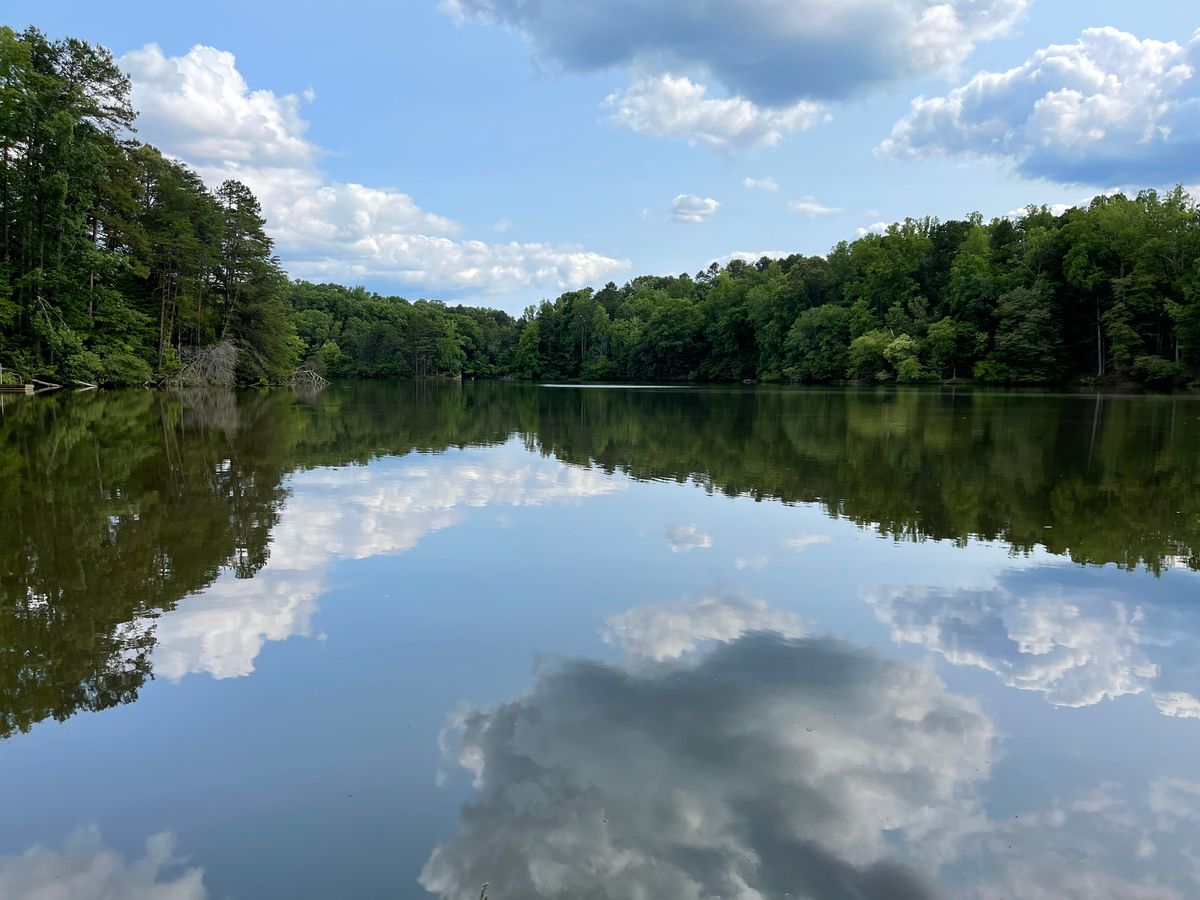
Spring's practical advantage over summer: you can do almost everything summer offers, at lower prices and without the crowds, while experiencing things that summer doesn't offer at all. The islands are open but not full. The hiking trails are accessible in the south from late April, in the north from mid-June. The lakes are swimmable from mid-May in the south. The boats run on reduced summer schedules but they run.
Specific spring activities worth building a trip around:
Crane watching at Hornborgarsjön (late March–early April, Västergötland). Up to 20,000 common cranes at once, with a visitor centre, a viewing tower and an annual crane festival. One of the continent's underrated wildlife events.
Walking the forest floor wildflowers (late April–mid May, Skåne and central Sweden). The wood anemone forests of Söderåsen, Kullaberg and the beech forests of Skåne are at their most spectacular in late April. Bring a macro lens.
Valborg (30 April, university cities). The Swedish spring festival — effectively the student celebration of winter's end — is held on 30 April in Uppsala, Lund, Stockholm and Gothenburg. Uppsala's celebration, where students traditionally canoe down the river, climb hills and watch the university choir sing from a window at noon, is one of Sweden's most distinctive events and is completely open to spectators.
Lapland in late May / early June. The snow is still on the high fells, the rivers are at full flood, the waterfalls roaring — and there is essentially nobody there. Abisko, Kebnekaise and the Kungsleden are quiet in a way they never are in summer. The midnight sun begins at the end of May above the Arctic Circle, and the light in those first weeks is extraordinary.
Archipelago kayaking (from mid-May, Stockholm and Gothenburg archipelagos). The water is cold but the weather is often excellent, the ferries are running, and you have 27,000 islands to yourself. The archipelago kayaking guide covers this in full.
Wild swimming (from mid-May in the south). Sweden's lakes warm faster than the sea, and southern lakes can reach 15–17°C by mid-May — cold enough to be invigorating, warm enough to actually swim. The northern lakes follow four to six weeks later.
Spring Weather: What to Expect
Swedish spring weather is genuinely variable, and packing for it requires the same approach as packing for Sweden in general: layers, always. The specific spring complication is the temperature swing between afternoon and morning. A Stockholm May day might reach 20°C in the sun, feel warm enough for a t-shirt on a café terrace, and then drop to 6°C by 10pm. In the north, nights below freezing are still possible in May.
The good news: spring in Sweden is rarely wet in the oppressive way that a British spring can be. Rain comes in showers rather than sustained grey days. Snow is possible in April (and in May in the north) but rarely lies for long in the south. The days lengthen visibly from week to week — Stockholm gains six minutes of daylight per day through April, and by mid-May the sun isn't setting until after 9pm.
See the full Sweden weather guide for region-by-region climate data. The packing list covers what to bring for spring in detail, including the specific layering approach that handles both 20°C afternoons and 4°C mornings.
Why Spring Particularly Suits the Coldcation
While southern Europe in April and May is already warm enough to be uncomfortable for anyone temperature-sensitive — parts of Spain reach 30°C in May, Sicily regularly hits 25°C, Greece can push to 28°C in late May — Sweden in spring is 10–18°C. This is the temperature at which you can walk all day without overheating, sleep at night without a fan, and actually feel the physical restoration that is the whole point of a holiday.
Spring also removes one of the few complaints that can be levelled at Swedish summer: the mosquitoes. In May, particularly in the south and central regions, the mosquitoes haven't arrived yet. In Lapland, they're a late June phenomenon. A spring trip through Sweden's forests is genuinely pleasant in a way that the same forests in late July, above a certain latitude, are not.
The price argument works too. Hotels, ferries, cabins and activities across Sweden are at winter-to-shoulder prices until Midsommar (the last Friday before 25 June), when they jump to summer rates. A May trip to Sweden costs roughly 30–40% less than the equivalent in July across accommodation, and islands that are sold out in summer often have capacity in spring. The Allemansrätten right to camp applies in spring exactly as it does in summer — and the spring landscape is arguably the more rewarding camping context of the two.
The Practical Case for April vs May
April is better for: the crane migration (especially late March–early April), Gotland and Öland wildflowers (they peak earlier on the islands), the first wood anemone forests, and experiencing the very beginning of the thaw in Lapland (snow travel, reindeer, empty landscape). April is harder for: accommodation availability on the islands (some don't fully open until May 1), trail access in northern Sweden (many mountain paths are impassable), and lake swimming (too cold anywhere).
May is better for: the full birch leafing sequence, Valborg (April 30), the first proper warmth, kayaking, lake swimming from mid-month in the south, and the complete spring bird migration (later migrants — swifts, reed warblers, spotted flycatchers — arrive in May). May is when Sweden feels most like the country it will be all summer, but with the freshness and emptiness of spring still intact.
For most people, the week of 1–15 May in southern Sweden, or 15–31 May in central Sweden, is the single best timing for a spring trip. The birches are either leafing or freshly leafed, the wildflowers are peaking, the evenings are long, the crowds are absent, and the whole country has the quality that the Swedes themselves associate with their best season.
Mistakes Tourists Make about Swedish Spring
❌ Assuming all of Sweden is in spring at the same time
Sweden spans 1,600km. Skåne in late April is in full spring. Lapland in late April is still deep winter. Plan by region and date, not country. The green wave takes eight weeks to travel from south to north.
❌ Expecting reliable warm weather
Swedish spring days can reach 20°C. They can also bring frost at night in May and snow in April. Pack base layers and a waterproof shell regardless of the forecast. The ten-day forecast for Sweden in spring is more variable than almost anywhere in Europe.
❌ Heading straight to Lapland in April
Lapland in April is magnificent but it's still winter — snow, sub-zero nights, inaccessible trails. If you're not equipped for winter camping or staying in lodges with heated accommodation, the Lapland spring window is late May to early June.
❌ Missing Valborg
If your trip includes 30 April, go to Uppsala or Lund. Valborg is Sweden's most distinctive seasonal celebration — a university spring festival with bonfire singing, student processions, choirs and the whole city out — and it costs nothing to spectate. It is, inexplicably, almost unknown outside Sweden.
❌ Treating spring as "just a cheaper summer"
Spring in Sweden is not a budget version of summer. It's a different season with different experiences — the ice breaking, the wood anemone forests, the crane migration, the bird dawn chorus, the distinctive spring light. Come for spring. The cheaper prices are a bonus.
Frequently Asked Questions: Sweden in Spring
Is April a good time to visit Sweden?
Yes, in the south — Skåne, Gotland, Öland and the Gothenburg area are in genuine spring by late April. Not in Lapland, which is still winter. April is the month for wildflowers, the crane migration, and experiencing the very start of the thaw. Book flexibly in case of late frosts.
What is Sweden like in May?
May is arguably the most dramatic month in Sweden. The birch trees leaf in a single week, the light transforms, the days run to 9–10pm, the birds are at full chorus, and the whole country feels newly arrived. Temperatures range from 10–20°C depending on the week and the latitude. Prices are at shoulder-season levels. Strongly recommended.
When does the ice break on Swedish lakes?
Southern lakes (Vänern, Vättern) typically clear in late March to April. Central Swedish lakes in April. Northern Sweden rivers in late April to May. Lapland rivers can run into May. The exact date varies significantly by year — a cold spring delays it by two to three weeks, a warm spring brings it forward. Check local community social media for real-time ice-out reporting in specific areas.
What should I pack for Sweden in spring?
Layers: a base layer, a warm mid-layer (fleece or light down), and a waterproof shell. Spring days vary by 10–15°C between morning and afternoon. Waterproof footwear for the mud. A light hat and gloves for northern regions or April trips. See the complete packing guide for the full spring list with specific brand recommendations.
Are there mosquitoes in Sweden in spring?
In southern and central Sweden in April and May: almost none. Mosquitoes emerge in earnest from late June in most of Sweden, and from mid-June near the northern lakes. Spring is the one season where you can walk through Swedish forest at dusk without repellent, which is one of its quieter but significant advantages over summer.