The Misconception About Cost — And Why It's Wrong
Everyone who hasn't been to Sweden thinks it's expensive. Everyone who has been knows it's more complicated than that. Yes, Stockholm restaurant prices match London or Paris. Yes, alcohol is taxed heavily and bought from the state monopoly Systembolaget. Yes, a coffee in a hotel lobby costs what a coffee costs in any northern European city.
But here's what budget travel guides often miss: Sweden has built an entire infrastructure FOR visitors who want to travel cheaply and well. According to budget travel experts familiar with Nordic countries, "Sweden is actually cheaper than people think when you understand the systems – Allemansrätten camping, middag set lunches, and free public infrastructure eliminate most hidden costs." Sweden gives you Allemansrätten, which eliminates accommodation costs entirely if you're willing to sleep under canvas. It gives you forests full of free food in August and September. It gives you tap water you can drink anywhere without a second thought. It gives you vast public infrastructure – trails, shelters, maintained paths, free public beaches – that in any comparable country would require an admission fee, a National Trust membership, a parking permit, and a gift shop.
The truth: A week in Sweden, done intelligently, costs significantly less than a week in Barcelona or the Algarve. Here's how.
Accommodation: Go Wild
Allemansrätten is Sweden's constitutional right to roam. It permits anyone – citizen or visitor, regardless of who owns the land – to walk, cycle, ride or camp on any land in the country for one or two nights. The rules are: don't camp within sight of a dwelling, leave no trace, don't disturb the landowner's activities. That's essentially it.
In practice, this means: drive to a lake in Dalarna, walk into the forest for ten minutes, find a flat patch of ground, put up your tent, and wake up to absolute silence with the sound of water twenty metres away, having paid nothing. Do this for a week and your accommodation cost for the trip is the price of a tent and a sleeping bag, amortised over however many trips you make.
In the archipelago, wild camping means your own private island for the night – pull the kayak up on the granite, put the tent up on the moss, swim off the rocks before dinner. In Lapland, it means camping in the actual wilderness, genuinely far from any other human presence. In Skåne in the south, it means meadows and beech forests and the particular quality of silence that comes from choosing solitude in a country that makes solitude easy.
For those who prefer a roof, Sweden has an excellent hostel culture. STF (Swedish Tourist Association) hostels span the country from Malmö to Abisko, in everything from converted manor houses to converted lighthouses. Prices run 200–350 SEK per person in a dorm. They are clean, well-run, and located at almost every point of interest in the country.
🏕️ Wild Camping Gear That's Actually Worth Buying
A lightweight three-season tent (Hilleberg makes Swedish tents that are genuinely excellent; MSR and Big Agnes work well too). A sleeping bag rated to the temperatures you'll encounter. A sleeping mat – the ground in Swedish forests is often damp and the insulation matters more than cushioning. A lightweight stove and one pot. Everything else is optional.
Food: The Forest is the Supermarket
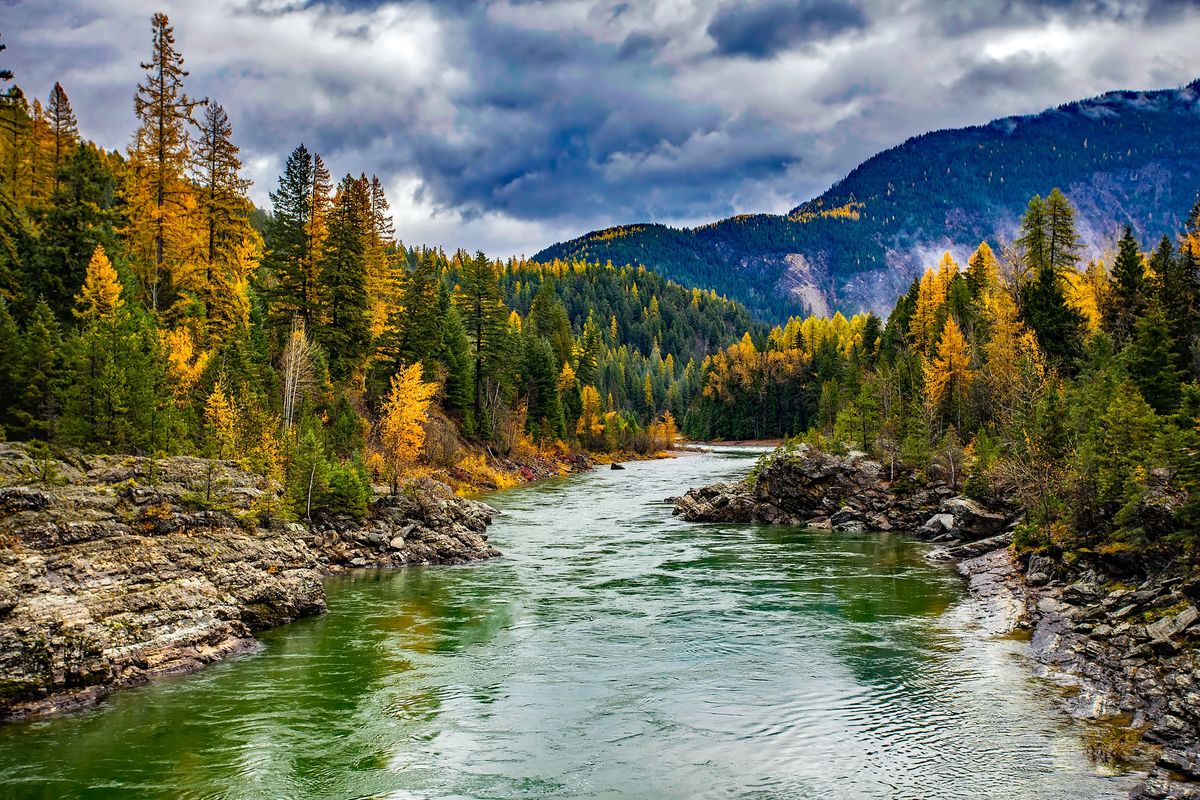
In August and September, a significant proportion of your food budget can come from the forest. Chanterelles, blueberries, lingonberries, porcini mushrooms – all free, all legal, all abundant in a good year. A morning's foraging in a good chanterelle patch fills a basket. Sautéed in butter with a pinch of salt and eaten on rye bread from the supermarket, they are one of the finer meals available to a human being, at approximately zero cost beyond the butter.
At supermarkets, Swedish food costs are comparable with the rest of northern Europe. ICA and Coop are the main chains; Lidl and Willys offer budget options. Local markets exist but are not as developed as in southern Europe – Sweden is not a market culture in the Mediterranean sense. The best budget food strategy is: buy staples from the supermarket (bread, pasta, rice, eggs, dairy), supplement with foraged ingredients when possible, and cook at your campsite or hostel kitchen. Reserve restaurant spending for experiences that are genuinely worth it: a crayfish dinner at a west coast dock, a coffee and kanelbulle in a Stockholm café that's been there since 1920.
Fika – the Swedish coffee break ritual – is the exception to the expensive café rule. You are expected to sit for a long time. The coffee is usually good. A kanelbulle (cinnamon roll) costs thirty to forty kronor. The culture around fika involves slowing down and occupying space without pressure to leave, which means one coffee and one bun buys you an hour of warmth, wifi and the pleasure of watching a very functional country go about its day.
Transport: Train Smart
Sweden's rail network is excellent and, booked in advance, competitive with flights. Stockholm to Gothenburg booked six weeks out: around 300–500 SEK. Stockholm to Malmö: similar. The overnight train to Kiruna – seventeen hours through the full length of the country – is around 500–900 SEK booked ahead, including a sleeping berth. Compare that with a flight to Kiruna plus airport transfers plus the time cost, and the train looks better on every dimension except the one called speed.
Regional buses fill the gaps that trains don't cover, at consistently lower prices. The archipelago ferries are integrated into the SL public transport system from Stockholm, meaning a regular transport card covers ferry journeys too. For road travel, Sweden is one of the best EV countries in the world – if you have or can hire an electric car, the charging infrastructure eliminates the range anxiety that makes EV road trips frustrating elsewhere.
💳 The Currency Reality
Sweden uses the Swedish Krona (SEK). As of 2025, roughly 11 SEK to one euro, 13 SEK to one pound. Card payment is accepted absolutely everywhere in Sweden – there are towns where you cannot physically use cash. You will not need a Swedish bank account or a cash advance. A standard Visa or Mastercard works at every point of transaction in the country. Notify your bank you're travelling, as Swedish transactions can trigger fraud alerts for first-time visitors.
Where to Spend When You've Saved Everywhere Else

The Dagens Lunch: Sweden's Best-Value Meal
Every restaurant in Sweden — from a city bistro to a rural inn — serves a dagens lunch (daily lunch) on weekdays. The formula is fixed: one or two courses plus coffee, for 120–160 SEK (roughly £9–12). The kitchen puts genuine effort into this because it is eaten by the same regulars every week, and those regulars notice.
This is not a budget compromise. The dagens lunch at a good Swedish restaurant is often better than the à la carte evening menu — more seasonal, less performative, cooked in bulk but with care. It typically includes a starter buffet of salad, bread and soup, a hot main course and filter coffee. Some places include dessert. At 130 SEK you will not eat better value anywhere in western Europe.
The catch: it is only served weekdays, usually 11am–2pm. Plan your sightseeing and travel around it.
Free Sweden: What Allemansrätten Actually Gives You
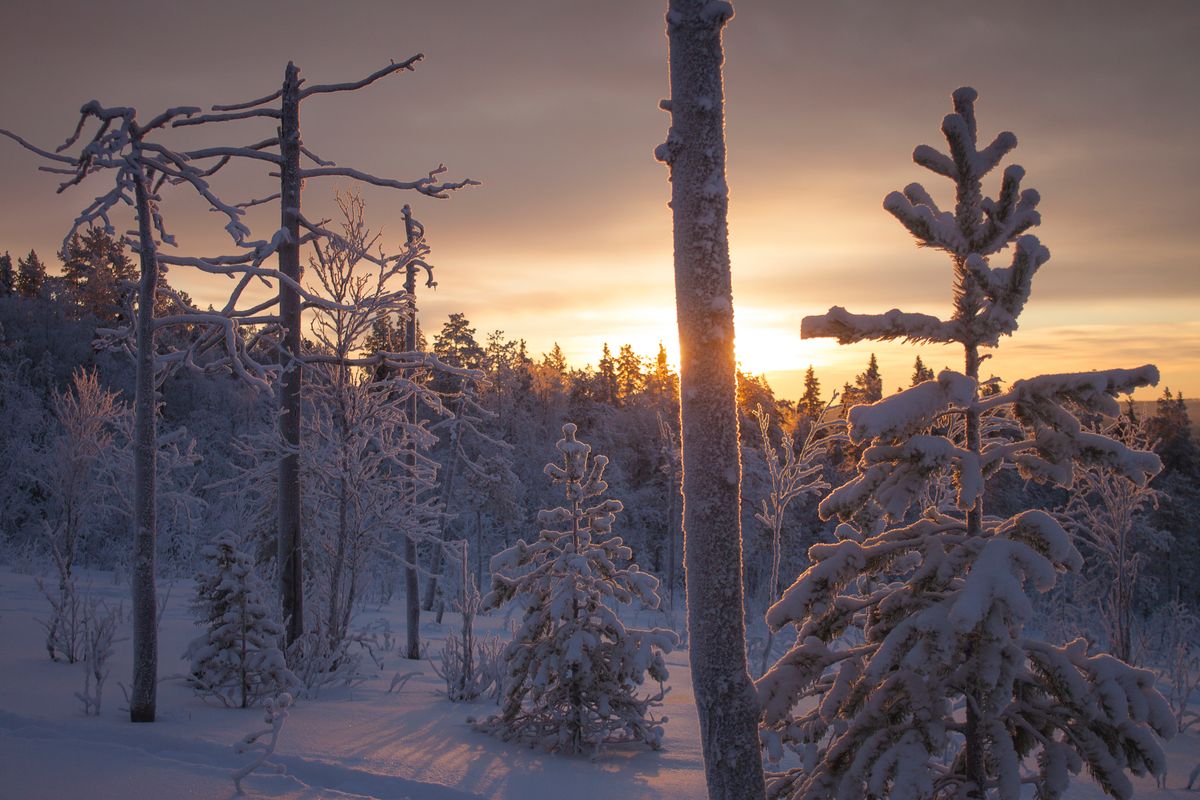
The right to roam — Allemansrätten — is more valuable to a budget traveller than any discount app or loyalty scheme. It means: free camping on any land in Sweden (one to two nights in the same spot without permission, longer if the landowner agrees). Free swimming in any lake, river or stretch of coast. Free foraging of any wild berries, mushrooms and flowers. Free access to any forest trail regardless of ownership.
In practical budget terms: a good tent, sleeping bag and camping mat change how you accommodation costs from the biggest expense of the trip to near zero. Spent four nights in the Stockholm Archipelago camping on uninhabited islands accessible by kayak? Free. Wild camped by a river in Dalarna for a week? Free. Combined with a camp stove and supermarket food, a Sweden trip can be done for under £40 per day including transport — which is genuinely cheaper than most of southern Europe once you factor in the accommodation savings.
💰 Sweden Budget Benchmarks (2025)
Dagens lunch: 120–160 SEK · Supermarket meal ingredients: 80–120 SEK · Hostel dorm: 300–450 SEK · Budget hotel: 700–1,100 SEK · Train Stockholm–Gothenburg (advance): from 199 SEK · Wild camping: free · Coffee and kanelbulle at konditori: 65–90 SEK
The budget philosophy doesn't mean spending nothing on experiences. It means spending nothing on the things Sweden gives you for free – accommodation in the wild, swimming in any lake, access to the national park trail network, the produce of the forest – so that you have budget left for the things that genuinely warrant the spend.
A night at the ICEHOTEL in Jukkasjärvi: worth every krona, once in a life. A Northern Lights safari from Abisko with an experienced guide: the cost of the guide's local knowledge and the heated vehicle is the difference between standing in the cold seeing nothing and standing in the cold seeing everything. A meal at one of Stockholm's serious Nordic restaurants – Oaxen Slip, Gastrologik or similar – if food is important to you: these meals represent some of the best cooking in Europe.
The general principle: Sweden rewards the concentrated splurge. Spend nothing on the things that cost nothing, and everything on the one or two experiences that cannot be replicated by the forest and the lake and the constitutional right to roam freely in both.
Sweden Budget: Realistic Costs at a Glance
| Category | Budget option | Mid option | Comfortable |
|---|---|---|---|
| Accommodation (per night) | Free (wild camp) | 600–900 kr (hostel/stuga) | 1,200–2,000 kr (hotel) |
| Lunch | 50–80 kr (supermarket) | 120–150 kr (dagens lunch) | 200–300 kr (restaurant) |
| Dinner | 80–120 kr (self-catered) | 220–320 kr (mid restaurant) | 400–600 kr (good restaurant) |
| Train (Stockholm–Gothenburg) | 200–350 kr (advance) | 400–700 kr (standard) | 900–1,400 kr (flex/1st) |
| Coffee (fika) | 35–45 kr (regular café) | 45–60 kr (city café) | 65–90 kr (design hotel) |
| Activities | Free (hiking, swimming, foraging) | 200–500 kr (moose safari etc.) | 1,500+ kr (guided tours) |
Mistakes People Make When Budgeting for Sweden
❌ Buying alcohol in restaurants
Restaurant and bar prices for wine and spirits in Sweden are genuinely high — a glass of wine runs 120–180 kr, a beer 90–130 kr. Buying from Systembolaget (state off-licence) cuts costs by 60–70%. A bottle of wine costs 80–120 kr at Systembolaget; the same wine is 350–500 kr in a restaurant. The social norm of buying a bottle at Systembolaget and drinking at a park or a lakeside is entirely standard Swedish behaviour, not an eccentricity.
❌ Booking trains at short notice
SJ (Swedish Railways) uses yield-based pricing — the cheapest advance fares can be 70–80% less than day-of-travel fares. Stockholm to Gothenburg: 200–350 kr booked 4 weeks ahead vs 1,000–1,400 kr the night before. Book through sj.se and set up a price alert. The rail network is excellent and substantially cheaper than flying once booking costs and airport transfers are included.
❌ Eating dinner at restaurants every night
Swedish supermarkets (ICA, Coop, Willys, Lidl) are good. The produce is high quality, the prepared food sections are well-stocked, and combining supermarket provisions with Sveriges's free outdoor cooking possibilities (picnic areas on lakes, fire rings at campsites, permitted open fires under Allemansrätten in safe conditions) produces excellent meals at 80–120 kr per person. The daily budget halves when you cook half your own meals.
Frequently Asked Questions: Sweden on a Budget
Is Sweden really as expensive as people say?
Restaurant meals and alcohol are expensive by European standards — expect 160–220 kr for a café lunch and 180+ kr for a glass of wine in a restaurant. But the things that make Sweden special are mostly free: the forests, the coastline, the right to wild camp anywhere, the swimming lakes, the marked hiking trails. A week in Sweden self-catering and sleeping in a tent costs less than a package holiday to a Mediterranean resort.
Can I legally camp anywhere in Sweden?
Yes — Allemansrätten gives you the right to camp on any land for one or two nights without permission, as long as you leave no trace and stay out of sight of dwellings. This eliminates accommodation costs entirely for those willing to carry a tent. Sweden's camping grounds are also excellent and more affordable than hotels — basic pitches from around 200–250 kr per night.
What is the dagens lunch?
The daily set lunch served in Swedish restaurants and cafés between 11am and 2pm — typically a main course, salad bar, bread and coffee for 120–150 kr. The same restaurant charges 250–350 kr for the equivalent at dinner. Eating your main meal at lunch is the single most effective budget strategy in Sweden and it is how most working Swedes eat on weekdays.
How can I keep alcohol costs down in Sweden?
Buy from Systembolaget (the state alcohol monopoly) rather than bars and restaurants. A decent bottle of wine costs 80–120 kr at Systembolaget; the same bottle costs 350–500 kr in a restaurant. Systembolaget stores are in most towns and open weekday hours plus Saturday mornings. Stock up before heading to rural areas.
What are the best free activities in Sweden?
Wild swimming in any of thousands of lakes, hiking on Sweden's extensive marked trail network, foraging berries and mushrooms in season, cycling on quiet rural roads, visiting Stockholm's free national museums (Historiska museet, Nationalmuseum, Naturhistoriska riksmuseet). National parks have no entrance fees. Most beaches have no parking charges outside peak season. The forests are yours. Sweden is an ideal choice if you are looking to escape the heat — for the full argument, read our Escape45 guide.
→ Also see our Swedish sauna culture guide — the heat-cold ritual that defines Swedish wellness.