The First Run
There is a moment, about twenty seconds after you step onto the runners and release the brake, when the dogs understand that it's happening. The barking and lunging that filled the last ten minutes of harness preparation stops. The team of ten drops low and pulls, and you're moving – faster than feels rational for a contraption with no engine – through a spruce forest in minus eighteen degrees of absolute silence.
That silence is the thing people don't expect. They expect noise: panting dogs, runner hiss, your own heartbeat. And those sounds are there. But they're absorbed by the snow and the trees and the particular acoustics of a forest that has been muffled by three months of accumulated winter, and what remains is a quiet that doesn't feel like quiet so much as it feels like the sound everything was always trying to make underneath all the noise of the rest of your life.
I'm describing a two-hour taster session at a kennel outside Kiruna. But everyone I've spoken to who has done the multi-day expedition version – four, five, seven days sledding between wilderness cabins in the Lapland interior – says the same thing, only more so.
The Dogs
The dogs used for touring in Swedish Lapland are typically Alaskan Huskies – a breeding category rather than a registered breed, the result of generations of selection for running ability, endurance, temperament and coat. They are not the fluffy Siberian show dog of the pet world. They are lean, slightly mad, obsessively focused on movement, and happiest when attached to a sled and given a job.
Before you depart, you'll spend fifteen to thirty minutes in the kennel meeting and harnessing the dogs. This is its own experience. The dogs become intensely excited the moment harnesses appear. They bark, spin, pull towards the gangline. The noise is impressive. And then the moment you actually start moving, the noise stops and is replaced by that extraordinary silence.
A good operator will match you with a team appropriate to your experience level. First-timers generally get four to six dogs; experienced mushers can handle ten to fourteen. The guide's team runs alongside or ahead. You are taught to brake with your foot on the snow hook, to lean into corners, to read the team's body language. Most of it becomes intuitive within the first hour.
🐕 Kennel Ethics: What to Look For
Sweden has strong animal welfare legislation, and most operations are genuinely good. Look for: kennels where dogs live in family groups rather than solitary chains; operations that limit daily distances to sixty kilometres or less; guides who give you real time with the dogs before and after the run; and honest information about the dogs' welfare year-round. Any operation reluctant to answer direct questions about offseason dog care should be avoided.
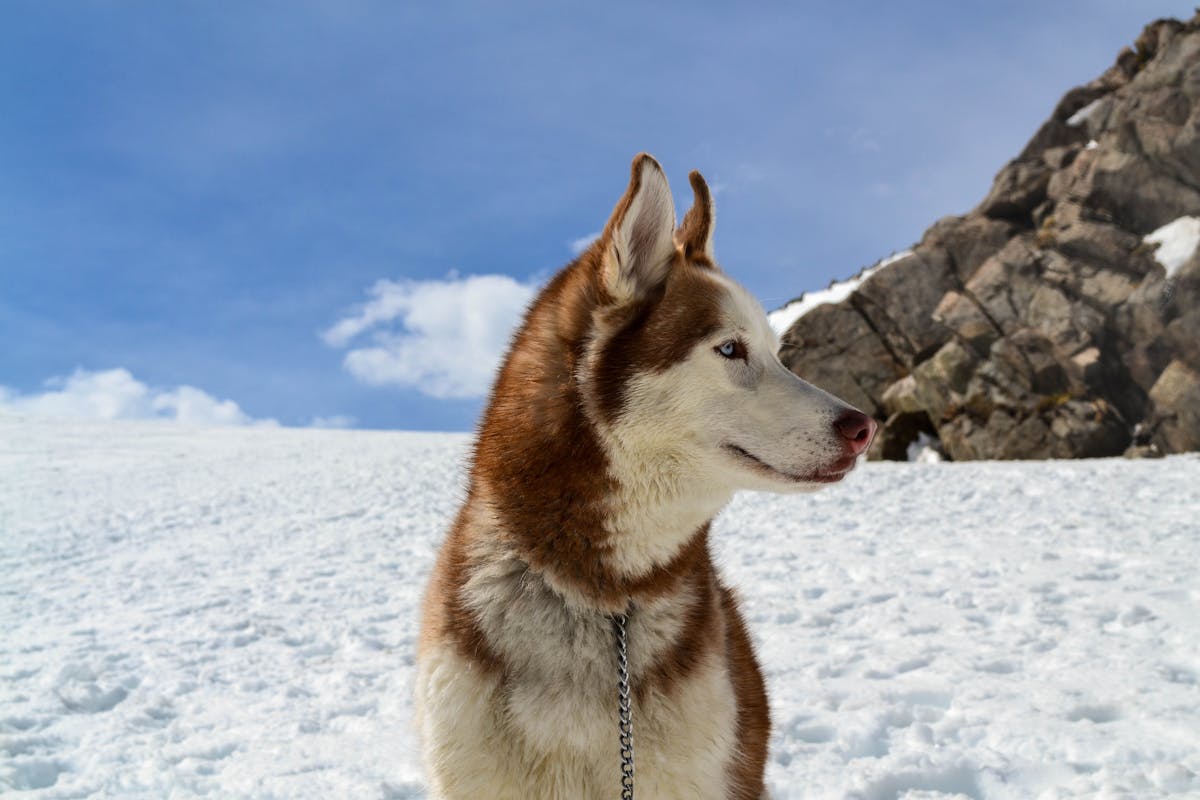
Half Day vs. Multi-Day Expedition
The half-day or full-day tour is what most visitors do. It's excellent and I recommend it without reservation. You learn the basics of mushing, cover fifteen to thirty kilometres of forest and lake terrain depending on the route, and typically end at a forest fire with hot drinks and a guide who will answer every question you have about dogs, Lapland, and the strange life of a professional dogsled guide in the twenty-first century.
The multi-day expedition is a different thing entirely. These trips typically cover one hundred to two hundred kilometres over four to seven days, sleeping in wilderness cabins or – on the more extreme versions – in expedition shelters dug into the snow itself. You're responsible for your team's feeding and care at each stop. You learn to read trail conditions, manage the dogs' energy across multiple days, and navigate by the features of a winter landscape that looks identical to someone who hasn't learned to read it.
The bond that develops between musher and dogs over a multi-day trip is, by universal report, the central experience. These animals are not pets and not just working animals. They are collaborators. By day three, your team knows your weight, your braking habits, the way you hold the handlebar. You know which dog is the engine, which is the navigator, which one will try to eat snow on uphills if you're not watching. People come back from these trips changed in ways they struggle to articulate and never forget.
Which Town to Use as Your Base
Kiruna and its immediate surroundings host the highest concentration of quality dog sled operations in Sweden. Look for kennels near Jukkasjärvi, Vittangi and the Torneträsk area. Abisko has a smaller selection but excellent access to National Park terrain. Arvidsjaur, further south, is a good alternative with more accessible flights and a slightly warmer climate (relatively speaking).
For multi-day expeditions, Björkliden and the area around Riksgränsen on the Norwegian border offers the most dramatic mountain scenery, with routes that cross between countries in terrain that hasn't changed appreciably since the last ice age. These trips require good physical fitness and willingness to be genuinely cold and genuinely far from anything. They are, by all accounts, magnificent.
🌡️ What to Wear
Operators provide an outer layer – typically a full expedition suit that goes over your clothes. Underneath, wear: thermal base layer (wool or synthetic, never cotton), mid-layer fleece, warm socks, and thin liner gloves under thick mittens. Your feet get cold standing on the runners; chemical handwarmers in your boots help. The suit covers everything else. Bring a neck gaiter and a hat that covers your ears entirely.
The Dog Sled Season
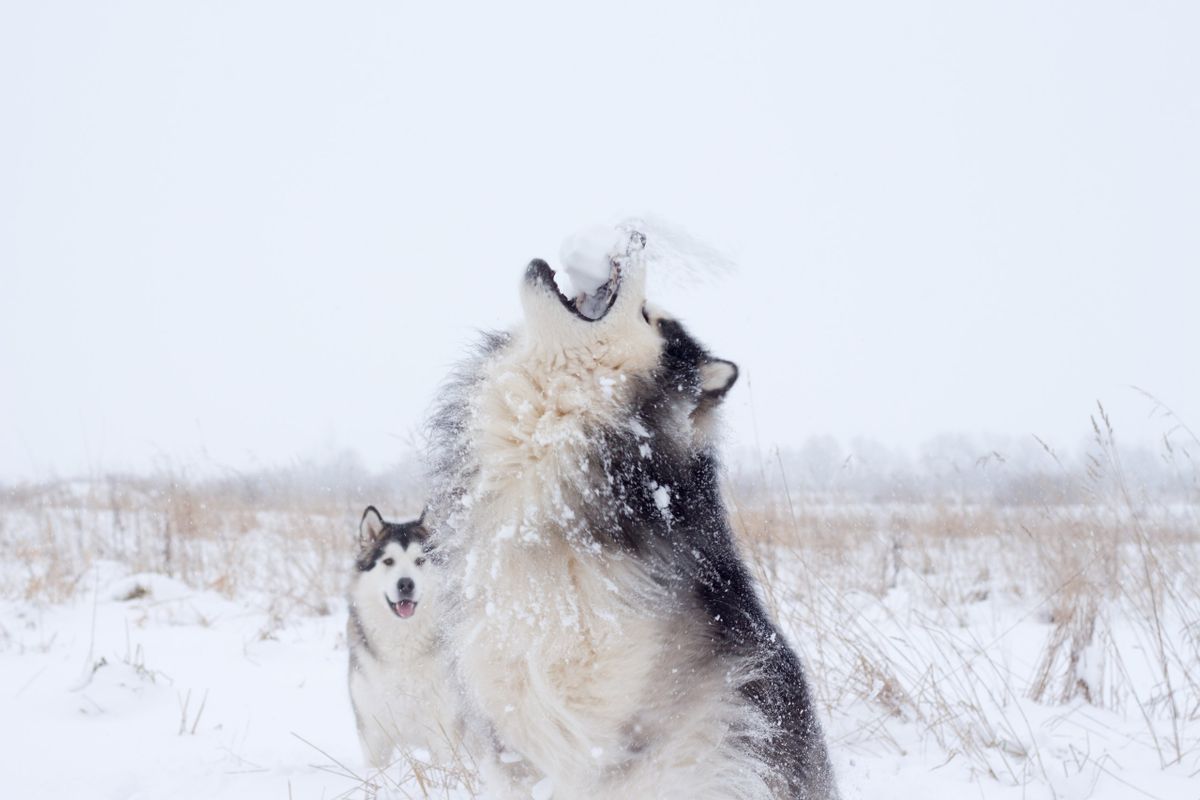
What Nobody Tells You Before You Go
The photographs of dog sledding show the landscape: white, silent, vast. What they do not show is the noise before you leave. A kennels of 80 to 150 Alaskan huskies, assembled and harnessed and waiting to run, makes a sound that is part howl, part bark, part high-pitched scream of anticipation. The dogs are not distressed. They are desperate to move. Standing in the middle of it, in the dark at seven in the morning, with the aurora occasionally visible through the trees, is one of the more disorienting experiences available in a Swedish winter.
Then you leave the yard, the noise stops instantly, and there is only the sound of runners on snow and the breathing of the dogs. This transition — from cacophony to silence — happens in about thirty seconds and is not something you forget.
The cold is real and it is constant. Even in full Lapland kit — which most operators provide — standing still on the back of a sled at −20°C with movement creating additional windchill means your face is exposed to conditions that require attention. Cover everything. The operators will tell you this and they mean it. The visitors who get into difficulty are invariably the ones who assumed their regular winter jacket would be sufficient.
The Dogs Themselves
Alaskan huskies rather than Siberian — leaner, faster, built for endurance rather than appearance. They are working dogs with working-dog temperaments: friendly with handlers they know, somewhat indifferent to strangers until you establish a relationship. Most operators give you time with the dogs before departure — this matters. A dog that has been patted and acknowledged will work with you more willingly than one that has never seen you before.
The lead dogs are selected for intelligence and confidence as much as speed. They respond to voice commands — hike (go), gee (right), haw (left), whoa (stop) — though in practice your guide controls the team and you learn the commands more to understand what is happening than to drive independently on a first trip. On multi-day expeditions, you take on more responsibility for the team and the relationship that develops over three or four days in the wilderness is the thing most participants describe as the core experience.
🐕 Booking Advice
Book before October for February and March trips — the best operators in Kiruna, Jukkasjärvi and Abisko fill up fast. Specify whether you want to drive your own sled or sit as a passenger: the physical effort is significant and not everyone wants it. Most operators offer both options on the same trip.
The dogsled season in Swedish Lapland runs from December through April, depending on snow conditions. December and January offer the deepest cold and most dramatic landscapes but very limited daylight – around four hours in Kiruna in December. February brings growing light and excellent snow. March is the favourite month of experienced Lapland visitors: long bright days, reliable snow, temperatures that are cold but manageable (minus ten to minus fifteen), and the first hints that winter is considering its exit.
Book at least three months ahead for February and March. The best operations fill up fast, particularly for multi-day expeditions. Half-day tours have more availability but still warrant advance booking during peak winter weeks. Many operators offer combined packages with Northern Lights safaris and snowmobile tours; these can represent good value if you're planning multiple activities.
Dog Sledding Options at a Glance
| Option | Duration | Distance | Price (approx) | Best For |
|---|---|---|---|---|
| Taster / intro | 1–2 hours | 5–10 km | 800–1,200 kr/person | First experience, tight schedule |
| Half-day tour | 3–4 hours | 15–30 km | 1,500–2,500 kr/person | Most visitors — best value intro |
| Full-day tour | 6–8 hours | 40–60 km | 2,500–4,000 kr/person | Those wanting more depth |
| 3-day expedition | 3 days | 80–120 km | 6,000–10,000 kr/person | Genuine wilderness immersion |
| 5–7 day expedition | 5–7 days | 150–250 km | 10,000–18,000 kr/person | Life-changing; experienced travellers |
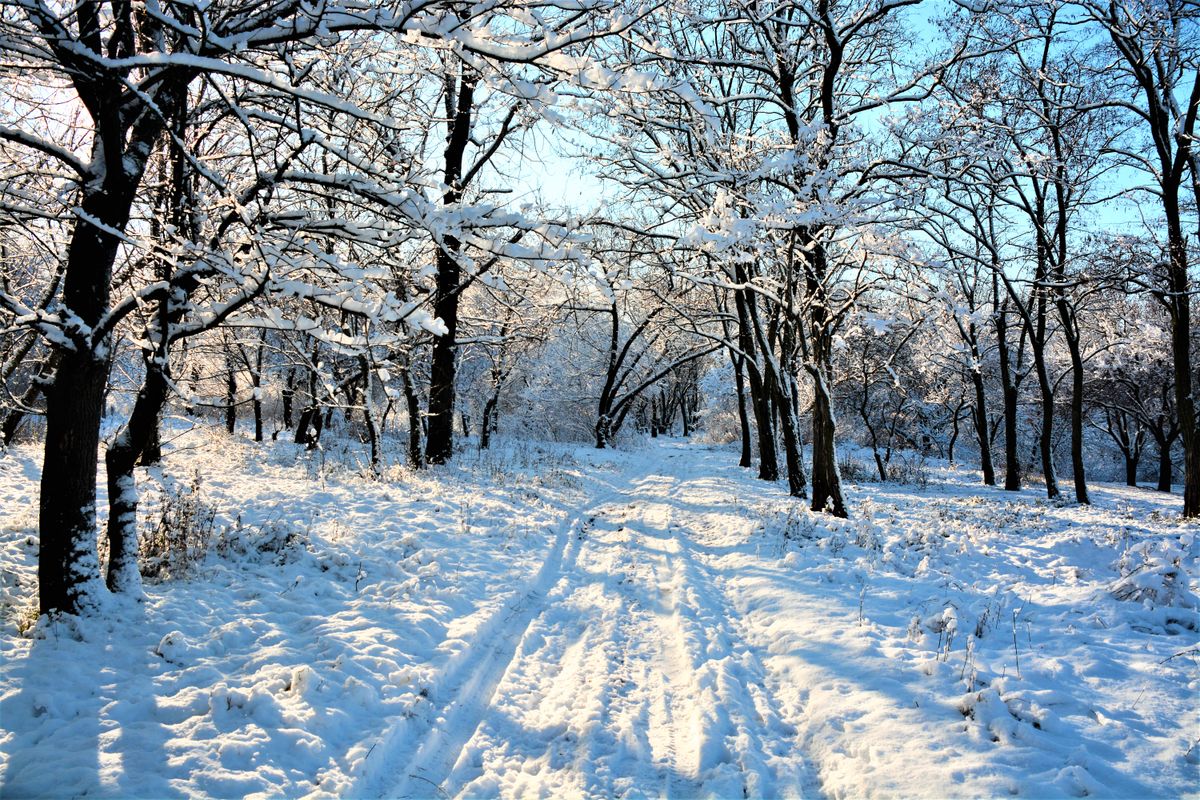
Mistakes Tourists Make When Dog Sledding
❌ Booking too late
The best operators in Kiruna, Jukkasjärvi and Abisko fill up by October for February and March. These are the peak months — reliable snow, improving daylight, manageable temperatures. People who book in January for February find the good operators gone and are left with second-tier options. Book at least 3 months ahead, ideally before Christmas for any February trip.
❌ Underestimating the cold while stationary
Standing on the back of a sled at −20°C creates significant windchill. Even with an operator-provided expedition suit, your face is exposed and your feet — standing still on metal runners — will get cold. Chemical hand warmers placed in boot toes before departure make a real difference. Cover your face completely. The visitors who suffer are the ones who thought their regular ski jacket would be enough.
❌ Not asking about driving your own sled
Many operators offer both passenger (sitting in the sled) and driver (standing on the runners) options on the same trip. Passengers have a more comfortable ride; drivers have the actual experience of mushing. If you want to drive, say so when booking — not all operators default to this. The physical effort of driving is real but within reach of anyone reasonably fit.
Frequently Asked Questions: Dog Sledding in Sweden
Where is the best place to go dog sledding in Sweden?
Kiruna and the surrounding area — Jukkasjärvi, Vittangi, the Torneträsk region — has the highest concentration of quality operators. Abisko has excellent access to National Park terrain. For multi-day expeditions with the most dramatic mountain scenery, the Riksgränsen and Björkliden area on the Norwegian border. Arvidsjaur is a more accessible alternative with good flight connections.
Do I need experience to go dog sledding?
No experience needed for a half-day or full-day tour. Operators match you with a team appropriate to your level, teach you the basics (brake, lean into corners, read the team) and guide runs alongside. Most of it becomes intuitive within the first hour. Multi-day expeditions require reasonable physical fitness and willingness to be cold, but not prior dog sledding experience — guides train you on day one.
How much does dog sledding cost in Swedish Lapland?
A half-day tour (3–4 hours, 15–30km) runs 1,500–2,500 kr per person. A full-day tour 2,500–4,000 kr. Multi-day expeditions (4–7 days) range from 8,000 to 18,000 kr per person depending on duration, accommodation standard and route. These prices typically include equipment, guide and meals during the expedition. Book at least 3 months ahead for February and March — the best operations fill fast.
When is the best time for dog sledding in Sweden?
February and March are the favourite months of experienced Lapland visitors: reliable snow, improving daylight (5–10 hours), temperatures cold but manageable (−10 to −15°C), and the first hints of the long Nordic spring. December and January offer deeper cold and the best chance of aurora but very limited daylight — around 4 hours near Kiruna in December. April can be good for southern routes but snow is less reliable.
What should I wear for dog sledding?
Most operators provide an expedition outer suit that covers everything — wear your normal warm layers underneath. Base layer (wool or synthetic, never cotton), mid-layer fleece, warm socks, and thin liner gloves under thick mittens. Your feet get cold on the runners; chemical hand warmers in your boots help significantly. Bring a neck gaiter and a hat covering your ears. The operator suit handles the extreme cold; your job is to stay dry underneath it.
→ Also see our snowmobile safari guide.